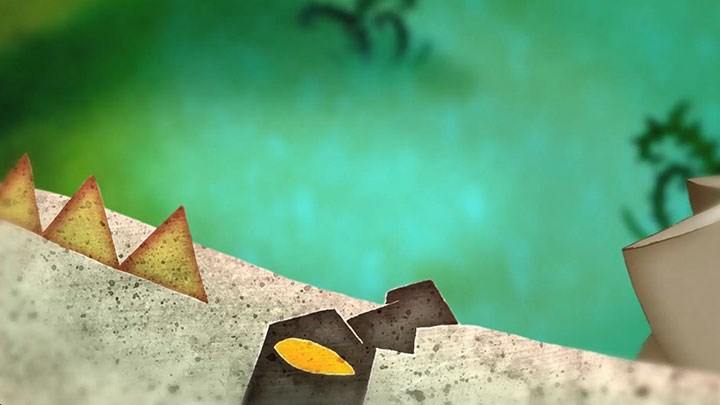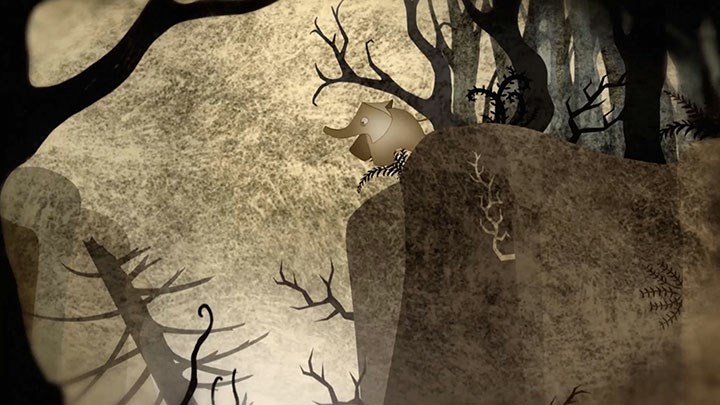
围绕短片 Ahco On The Road 开展的教育活动
Questioning plastic representation and presentation devices: the visual narration, the perspective, the frame, taking into account the viewer and the desired effect
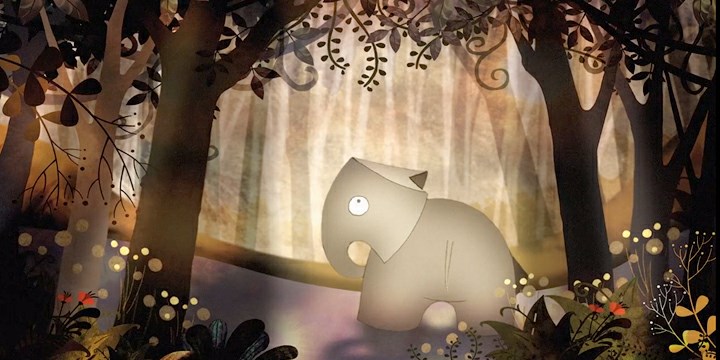
Ahco On The Road © Yellowshed
标题Ahco On The Road
主题Animals, Family relationship, Maternal love
类型与关键词Narrative, Baby, elephant, forest, travel
年龄(电影)6-11 years old
时长08 min 27 s
导演Soyeon Kim
音乐Karen Tanaka
制作Yellowshed (美国, 2013)
Analysis of the cinematographic language of the film: expressive framing and focusing.
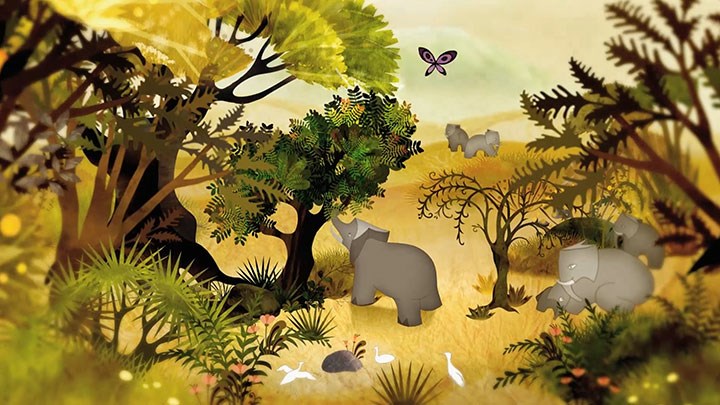
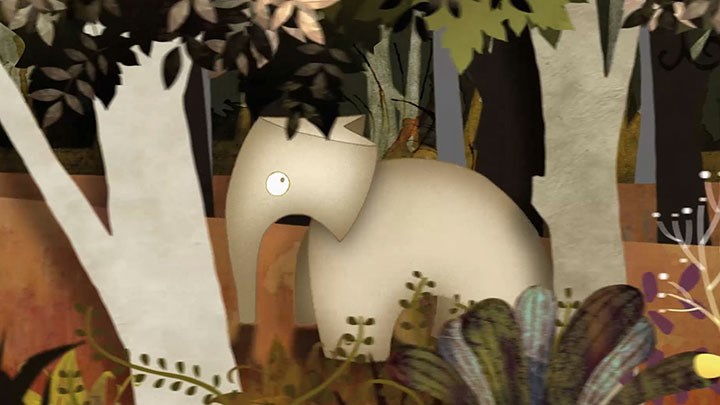
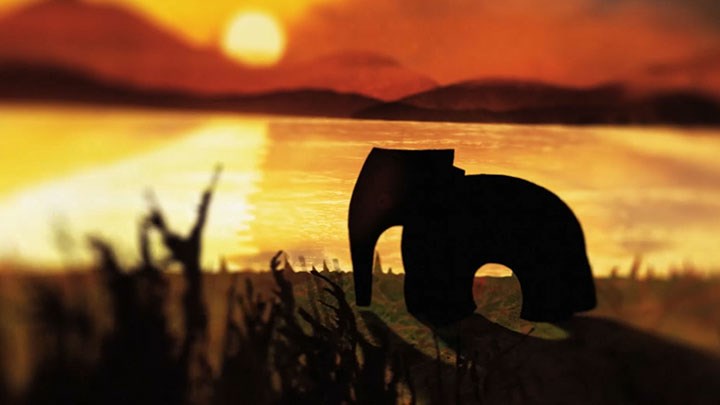
For an 8-minute animated film telling a very simple story, Ahco on the road mobilizes a large number of cinema techniques: expressive use of the off-frame, multiple shot scales, (virtual) camera movements, focusing effects, different types of connections, etc. They are used to develop the theme of gaze, on two levels. At the story level, firstly, it is about telling the broadening of the character's vision of the world around him. Hence the tracking shots which gradually discover the setting and the games with the off-frame for the appearance of the animals he meets. On a more general level, the film talks about our view of animals, the way in which we project ourselves into their consciousness or, on the contrary, they remain mysterious to us. As an animal documentary would do, Ahco on the road leaves the animals to their silence and the emotions that it gives them are largely constructed by the codes of cinematographic expressiveness used: rhythms, music and games of focus of the shots.
We propose to study these constructions in the film, in particular the work of the frame and camera movements.
1- State the purpose of the analysis
We can start the project with a simple question about interpretation. The film is wordless and the animals are not portrayed very expressively. So how do we understand the details of the action, the intentions of the characters? And how does the viewer’s emotion evolve? We will therefore focus on the tools which will allow on the one hand the understanding of the situations of the story told and on the other hand the creation of an emotion. As we try to concentrate on the images, we can start with a new viewing without sound, with these ideas in mind.
2- Present cinema vocabulary
Before beginning the study of film itself, it is useful to introduce the usual notions used to describe images. We will define this way:
3-Use the tools on selected sequences of the film
该练习包括要求孩子们将电影中的图像与之前介绍的元素匹配到某些选定的序列。 Each sequence is made up of a certain number of shots which must be described by reusing the vocabulary covered.
可以要求他们以 2 或 3 人为一组,在预先制定的问卷调查表上工作,并附上说明不同计划的照片,或者集体参与“剪出”计划,讨论投影图像。 In this second case, they can themselves represent the plan in drawing (on blank questionnaires) to translate the plan scale.
当无法准确应用词汇或犹豫时,请孩子们注意这种犹豫以及由此产生的问题。
建议的顺序是:
4- 关于序列分期的讨论
从前面的表格中,孩子们将比较他们的选择并讨论舞台问题,即在理解和表现力方面选择某种技术:这如何有助于更好地理解正在发生的事情?这会激起什么情绪? This stage takes place in the form of a collective discussion, led by the teacher.
在这一点上,记住所提供的词汇最初是为了描述电影而设计的:用真实相机拍摄的人物角色可能会很有用。 There is therefore a priori a certain inadequacy with this film, a cartoon presenting animals. In particular, close shot scales are made to highlight emotions on the face, which finds a limit in our case.这是一个展示电影等媒体的形式和技术产生指导解释的代码的机会,这些代码在这里被广泛利用。
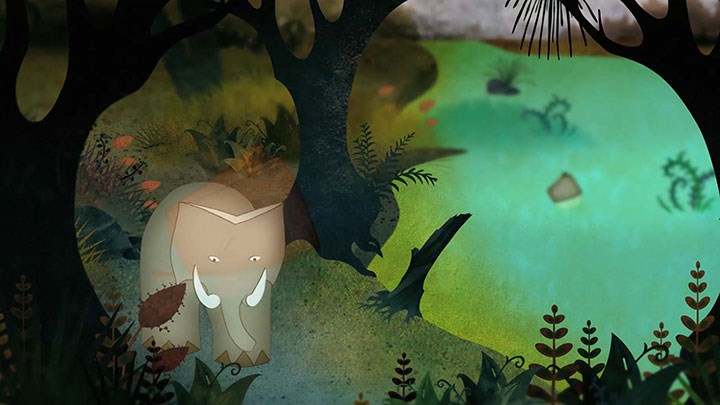
为了讨论场景的表现力,角色和观众的情感暗示、传递或反应的方式,我们可以引入一个额外的工具。 We could ask ourselves what is the focal position on each plane.图像是谁的目光?为了简化,我们可以区分两种情况:因此,图像可以被构建为好像是故事之外的目击者所看到的(“外部”焦点),或者相反,是由其中一个角色看到的(“主观”焦点)。这将有助于更好地理解那些由画面暗示恐惧的镜头,这些镜头就好像画面外的一个角色所看到的,而我们还没有见过这个角色正在监视小象。 This is the construction of an asymmetry of gaze, where the spectator is disadvantaged, just like the character. Someone is looking at the character, about to interact with him, but we don't yet know who it is.
5- Consolidation of achievements and expansion
最后,孩子们被邀请选择一个所研究的场景,并利用他们的记忆来引用与他们相似的场景的例子。 The examples cited can come from cinema (film, cartoon), television (music video, advertising), comics, or even literature.这项工作可以让他们在家做,例如为期一周。他们必须提供准确的来源参考并描述相关场景,以及他们在舞台表演中感受到类比的原因。由于能够以物理方式显示序列可能很复杂,因此他们必须以书面形式对其进行精确描述,从而重复使用所引入的词汇。
活动表编写者: Bruno Pellier