
Wane abun ciki ne ya dace da shekaru ga yara?
A kan wane ma'auni ya kamata a zaɓi fina-finan da aka yi wa ɗalibai?
Tun daga farkon zuwa ƙarshen makarantar firamare, yara masu shekaru 3 zuwa 11 suna shiga matakai daban-daban na bambancewa tsakanin gaskiya da tunani da ƙirƙirar nasu wakilcin duniya. Shekaru na ɗaya daga cikin manyan ma'auni don zaɓar fim ɗin yara saboda iya fahimtar yara ba ɗaya ba ne a lokacin shekaru 2, 4, 8 da 10.
Yin la'akari da shekarun yara lokacin zaɓar fim yana da mahimmanci saboda abubuwan da ke ciki, saƙon fim, dole ne a daidaita su; dole ne yaron ya iya faɗin abin da ya gani. Dole ne mu yi la'akari da rikitarwar yadda aka shirya fim, halin mutanen da ke ciki, yawan bayanai, amma kuma ingancin abubuwan gani da sauti da kuma saurin fina-finai.
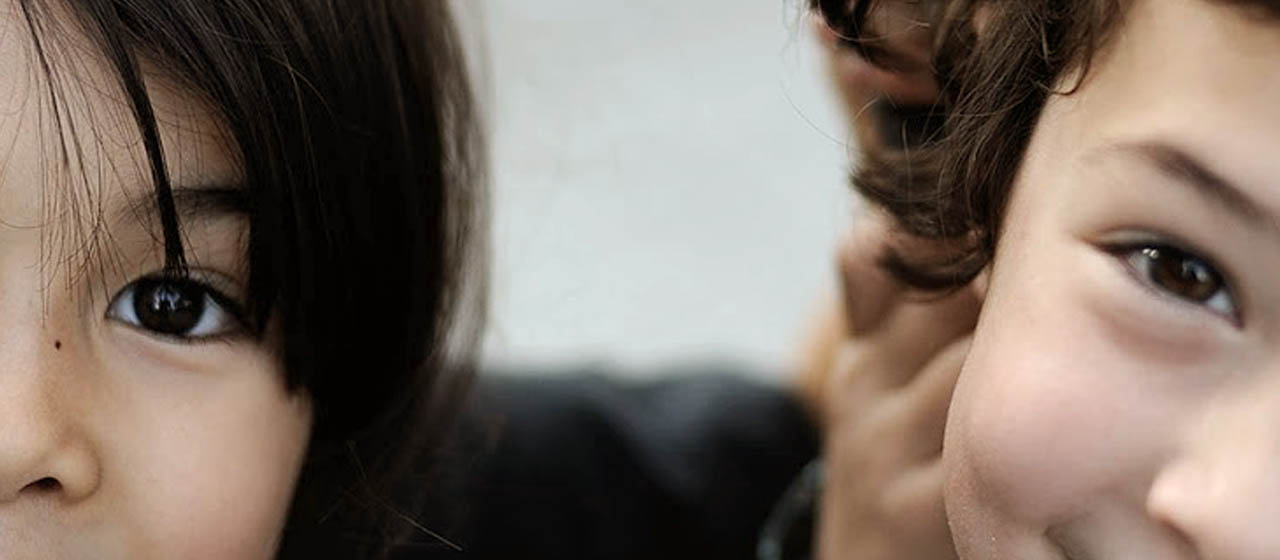
© Marjolaine Rouzeau. Shekarun yara a matsayin ma'auni don zaɓar fina-finai
Yaro, a tsakanin makarantar reno da firamare, yana yin amfani da basirarsa, hankali, tunaninsa da kuma dangantakarsa da kuma idan bidiyo ko fina-finai ba su dace da haɓakar basirarsa ba, zai fuskanci matsalolin fahimtarsa, zai gaji: sha'awarsa, son sanin abubuwa da hankalinsa za su ragu.
Dole ne yaron ya iya faɗi abin da ya gani
Saƙo mai wahalar fahimta ga ƙanana ko na yara ga manya; fim ɗin, wanda bai dace da shekarun yara ba, zai yi tasiri iri ɗaya: rashin jin daɗi da rashin mayar da hankali.
Fina-finai dole ne su zama hanyar ilmantarwa, tallafawa ci gaban yara, ba kowa da kowa lokaci don kallo, kwaikwayo da ba wa ƙananan yara sha'awar bayyana ra'ayoyinsu, tunanin, ƙirƙira nasu tunanin duniyar.
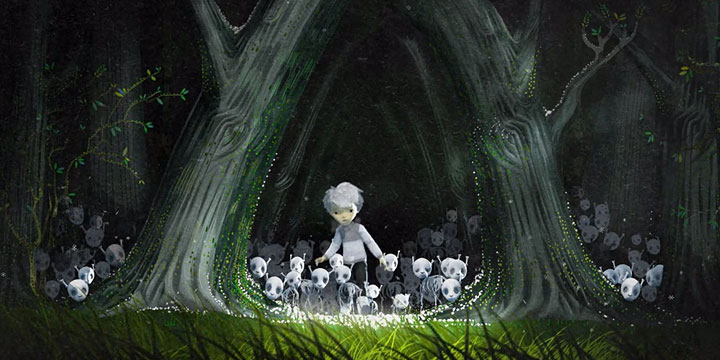
© Je Regarde. Carlos De Carvalho & Aude Danset: Premier Automne, 2013
Tun daga ƙuruciya har zuwa samartaka, fina-finan da suka dace da shekarun yara za su kasance kyakkyawan tallafi na ilimi a makaranta, amma kuma kayan aiki don tallafawa ilimi a gida.
Fim ɗin da aka zaɓa da kyau zai ta da son sani, ya ta da tambayoyi ga ƙaramin yaro ko yarinya, kuma zai ƙarfafa dangantakar iyali da iyaye ko kakanni.
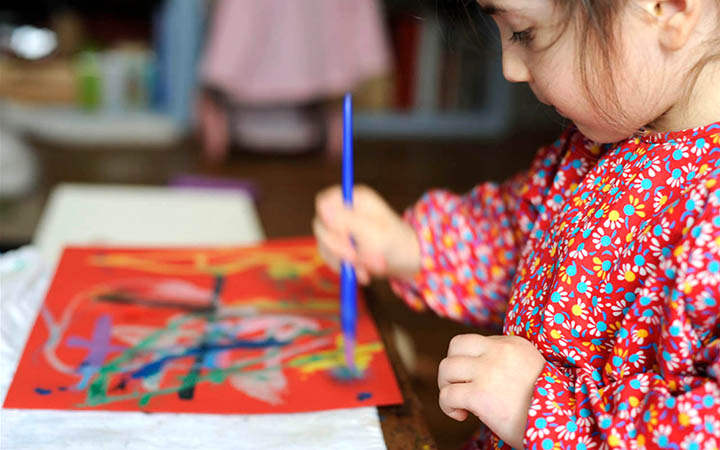
© Marjolaine Rouzeau. Fina-finai don haɓaka yara
A lokacin ƙarami, yaron, musamman mai rauni da marar kariya, ba a shirye ya fuskanci duniyar waje ba.
Ba wa yara lokacin kallo
Bayyana hotunan da ba su dace da haɓakar hankali, tunani da ji ba na iya cutar da buƙatun su na yau da kullun don bincike da gano sabbin abubuwa. Fina-finan da aka zaɓa daidai, akasin haka, suna haifar da yanayi mai kyau don wannan lokacin koyo.
Yana da wuya a tantance dacewa tsakanin shekarun yaro da abin da suke kallo. Kowane yaro yana da nasa saurin koyo, basirar fahimtarsa; Iyaye da malaman makaranta sun kasance a matsayi mafi kyau don yin hukunci da jituwa tsakanin abubuwan da ke cikin fim da matashin mai kallo.
Duk da haka, yawancin fina-finai na yara, a kan talabijin, a kan DVD, akan intanet, yana wakiltar wahala.
Shin wannan saƙon ya dace da yaro na? Shin wannan yanayin ya yi tsanani sosai ga shekarunsa? Ta yaya za a kama hankalinsa? Yadda za a samu sannan a zaɓi fim ɗin mai nishadantarwa da ilimantarwa?
Fina-finan na iya burge yara ƙanana
Shin fina-finan barkwanci sun fi dacewa da yara ƙanana fiye da fina-finan kiɗa? Ba abu ne mai sauƙi a zaɓa ba a cikin wannan daji na sauti da hoto kuma akwai ƙungiyoyi kaɗan waɗanda ke ba da shawara da sauƙaƙe zaɓin da manya dole ne su yi don yara.
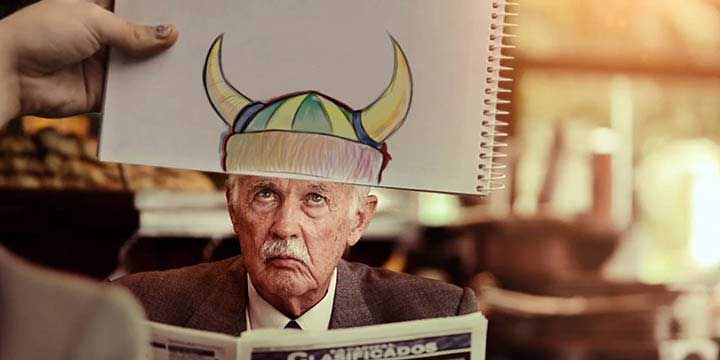
© Carlos Lascano. Gajeren fim na Carlos Lascano: Lila, 2014
Fina-finan da muka zaɓa suna da labarai na asali, yanayi da kuma duniyoyin gani, mai yuwuwa su burge ƙanana. Waɗannan ba fina-finai ne da aka ƙirƙira musamman don yara ba, har ma fim ne da aka yi nufin manyan yara, amma muna zaɓar da rarraba kowane fim wanda abubuwan ilimi ya dace da shekaru, matakan girma da ci gaban yara.
Fina-finai ga yara ƙanana da matsakaita galibi suna da wuyar zaɓa, amma ana samun, abin mamaki, misali na dacewa da fina-finai na gwaji mara siffanci.
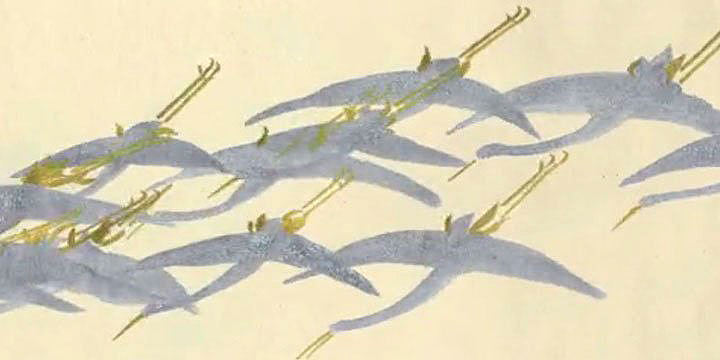
© Yamamura Animation. Fim mara siffanci na Koji Yamamura: Anthology with Cranes, 2011
Ba a yi gajerun fina-finai mara siffanci don yara ba, amma a cikin mahallin gwaji kuma, duk da haka, wannan fasahar mara siffanci, mahimmancin da aka ba wa siffofi, launuka da kari, ya dace sosai ga ƙanana. Suna tayar da son sani kuma musamman suna gayyatar bayyanar jiki.