Educational activity based on the short film Alike
Revise and improve the writing you have produced.
Use drawing in all its diversity as a means of expression.
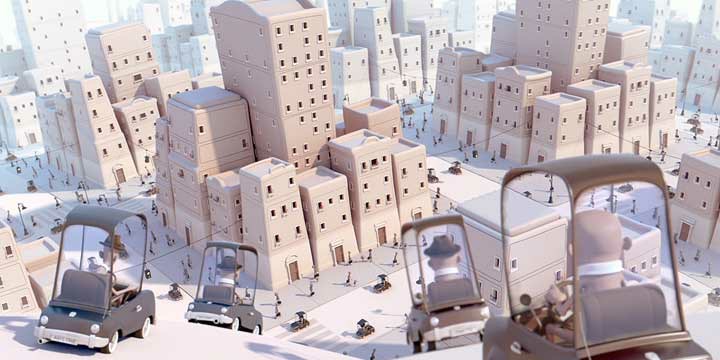
Alike © D. M. Lara & R. C. Mendez
TitleAlike
ThemeCompliance
Genre & keywordsNarrative, uniformity, parental relationship, school, work, social norm
Age (for the film)6-11 years old
Duration08 min 01 s
DirectorD. M. Lara & R. C. Mendez
MusicOscar Araujo
ProductionD. M. Lara & R. C. Mendez (Spain, 2016)
Experiment with the tensions between graphic invention and linguistic code.
In the film, the way the film reflects on the liberties the child takes in drawing the alphabet finally prompts the father's change of outlook. This is not surprising: in writing, the tension between personal expression and respect for the linguistic norm is particularly visible.
From age 6 onwards, the child learns to master this code (in legibility and speed). The challenge is to express one's thoughts while still allowing them to be conveyed. This is also the moment when he is fairly alert to departures from the code, in his own writing, in that of others, in the writing systems around him. It is then possible to start working on “personal alphabets”.
It involves imagining an original design for the letters of the alphabet, producing a sentence or a title with this alphabet, discussing, correcting, improving the result both in legibility (understanding the purpose of the norm) and in expressiveness.
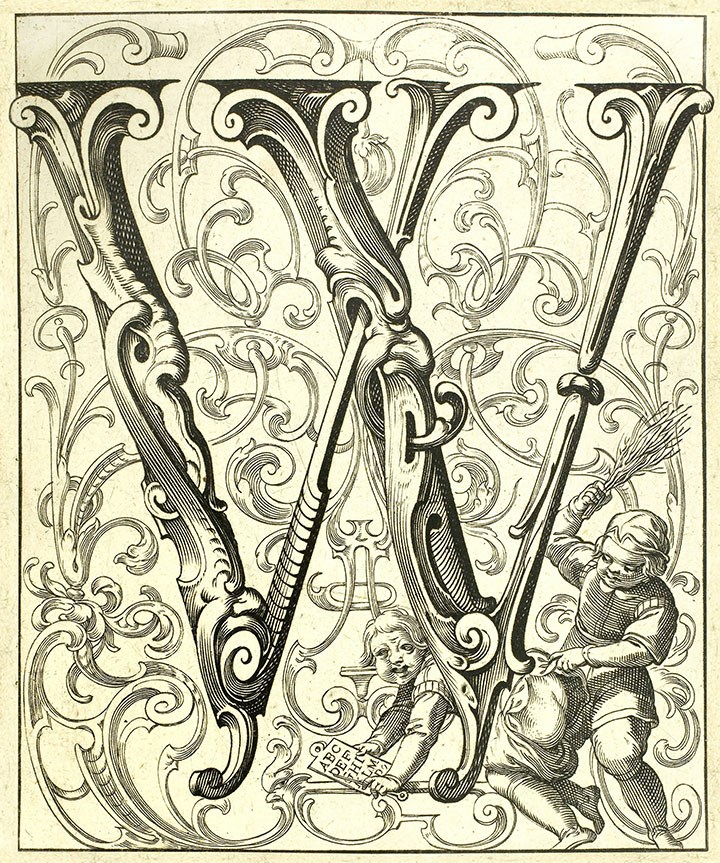
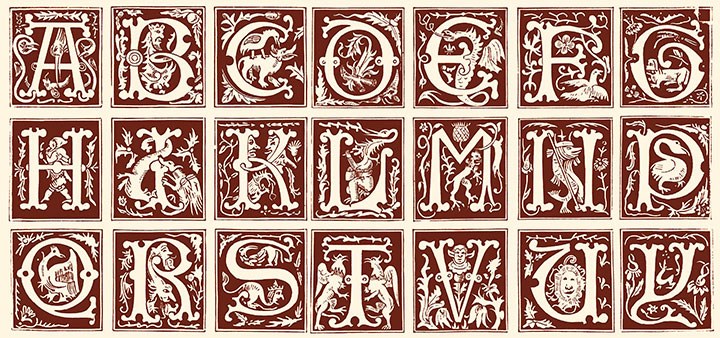
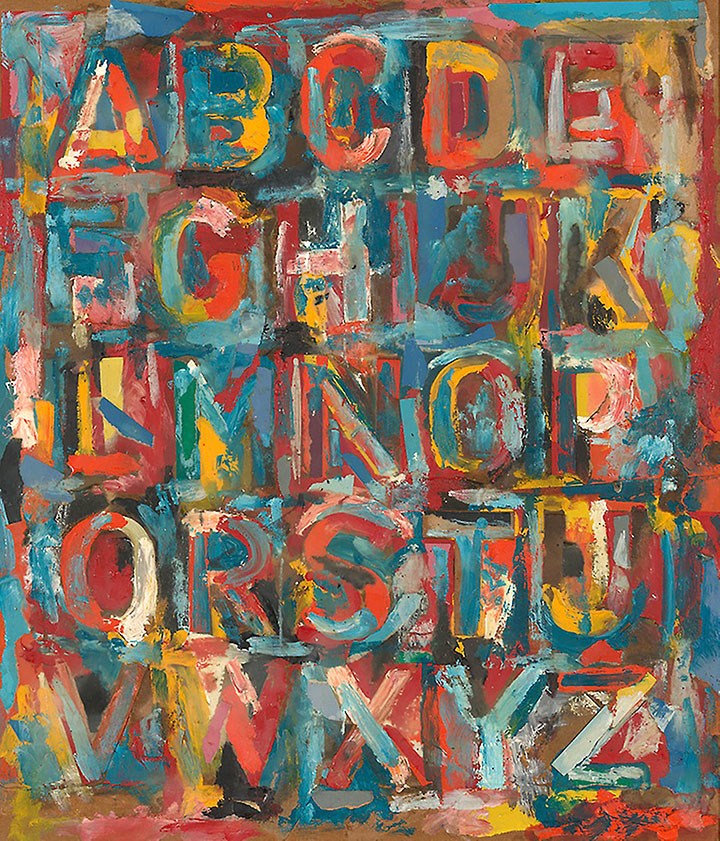
Prior observation of the work of typographers or graphic designers can help formulate the exercise and give ideas. Imposing a simple theme (“musical instruments”, “animals”) or a technique (drawing, cutting out, objects) is preferable.
This work can result in a project for the whole class (each student is responsible for a letter, for example) or as many alphabets as there are students. In the latter case, each pupil will then explain and defend their own vision.
Activity sheet written by: Bruno Pellier