
What content is age-appropriate for children?
By what criteria should films for students be chosen?
From the beginning to the end of primary school, children between the ages of 3 and 11 go through different phases of distinction between reality and imagination and create their own representation of the world. Age is one of the main criteria for choosing a children's film because children's ability to understand is not the same at 2, 4, 8 and 10 years old.
Taking a child's age into account when choosing a film is important because the content and messages of a film must be appropriate; the child should be able to recount what they watched. One must consider the complexity of the direction, the psychology of the characters, the density of information, but also the quality of the visual worlds and soundscapes and the rhythm of the films.
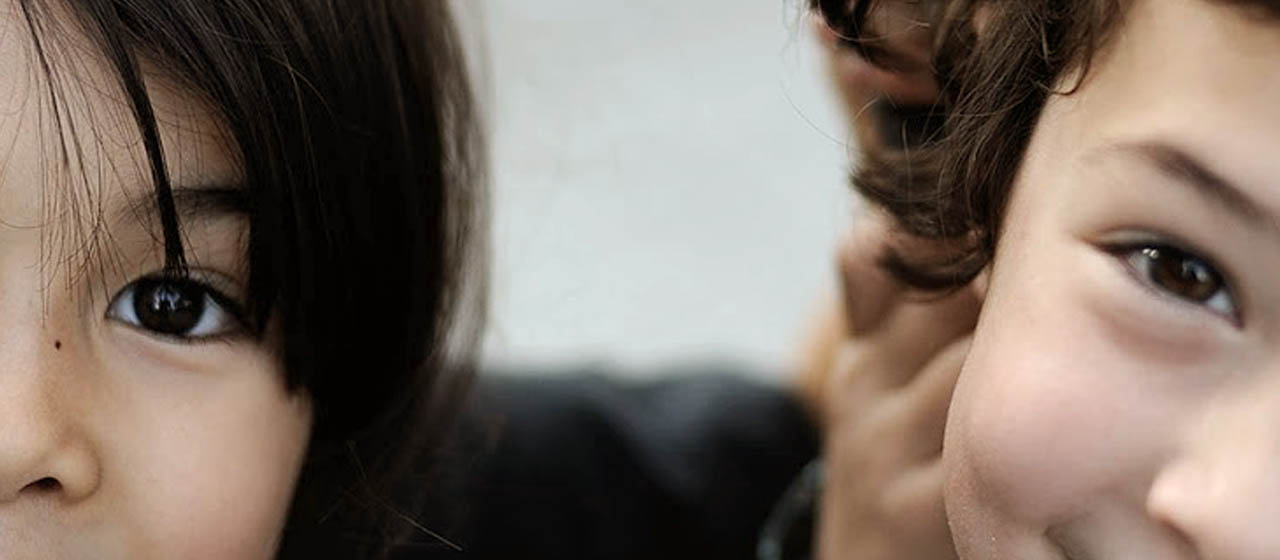
© Marjolaine Rouzeau. The age of children as a criterion for selecting films
The young child, between nursery school and elementary school, develops their intellectual, sensory, emotional and social skills and if videos or films are not in line with their intellectual development, they will struggle to understand, they will be bored: their interest, curiosity and attention will wane.
The child must be able to recount what they watched
Message difficult to understand for little ones or too childish for older ones; a film, not adapted to the age of children, will have the same effect: lack of pleasure and concentration.
Films must be an educational medium, support the development of children, give everyone time to observe, imitate and give the little ones the desire to express themselves, to imagine, to invent their own imaginary worlds.
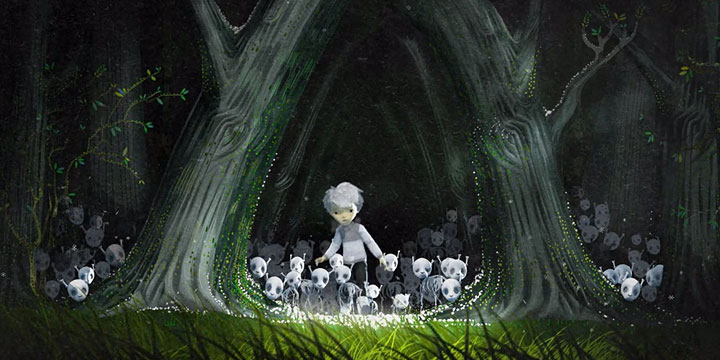
© Je Regarde. Carlos De Carvalho & Aude Danset: Premier Automne, 2013
From early childhood to adolescence, films adapted to the age of children will be an excellent educational support at school, but also a tool to support education at home.
A well-chosen film will arouse curiosity, prompt questions from the little boy or girl, and encourage family communication with parents or grandparents.
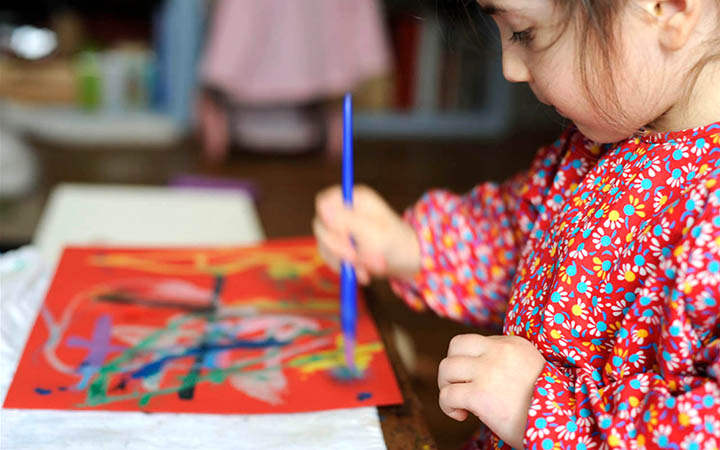
© Marjolaine Rouzeau. Films for child development
At a young age, the child, particularly fragile and vulnerable, is not prepared to face the outside world.
Give children time to watch
Exposure to images that are not suited to their intellectual, emotional and sensory development can harm their daily need to explore and discover new things. Correctly selected films, on the contrary, create a favorable environment for this learning period.
It is difficult to judge how well a child's age matches what they are watching. Each child has his own learning pace, his own comprehension skills; parents and school teachers are in the best position to judge the harmony between the content of a film and the young viewer.
However, the astronomical number of children's films, on television, on DVD, on the internet, represents a difficulty.
Is this message suitable for my child? Is this scene too violent for his age? How to capture his attention? How to find and then choose a film that is both entertaining and educational?
Films likely to captivate the little ones
Are comedy films better suited to toddlers than musical films? It's not easy to choose in this audiovisual jungle and there are very few organizations that advise and facilitate the choices that adults must make for children.

© Carlos Lascano. Short film by Carlos Lascano: Lila, 2014
The films we select have highly original stories, scenarios and visual worlds, likely to captivate little ones. These are not films created especially for children, in fact, they are more often films aimed at older children, but we select and classify each film whose educational content is appropriate for the age, growth phases and development of children.
Films for early and middle childhood are often difficult to choose, but we find, paradoxically, a good match with abstract experimental films.
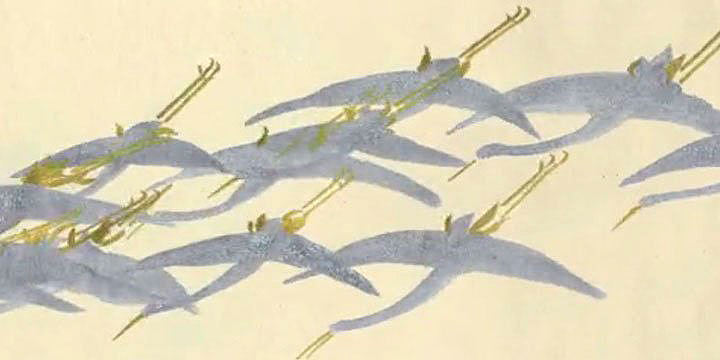
© Yamamura Animation. Abstract film by Koji Yamamura: Anthology with Cranes, 2011
The abstract short films were not made for children, but rather in an experimental context and, yet, this abstraction, this emphasis on shapes, colours and rhythm, is very well suited to younger children. They arouse curiosity and are especially good at encouraging physical expression.