Educational activity based on the short film Issa
Practice different forms of reading. Read aloud.
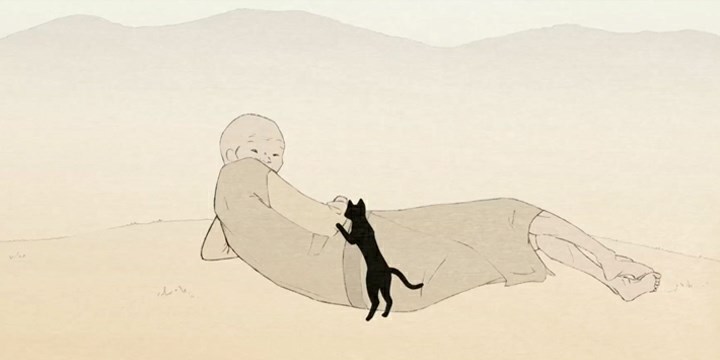
Issa © Lunohod
TitleIssa
ThemeAnimals, Poetry
Genre & keywordsContemplative, poetry, poet, haiku, Japan, Kobayashi Issa, tea, cat, animals, cherry tree, sakura, flowers
Age (for the film)3-11 years
Duration04 min 43 s
DirectorLīga Skirmane
MusicSaeki Masahiro
ProductionLunohod (Latvia, 2014)
Understand the poetic structure of Japanese haikus. Come up with inventive contributions to a collective project.
This contemplative film on a walk by Kobayashi Issa, famous Japanese haiku poet (1763-1828) is an opportunity to introduce students to the very particular poetic form of Japanese haikus. “Issa”, which is also the title of the film, means “a (cup of) tea”.
The director was inspired by the work of Kobayashi Issa to conceive this walk, and one possible activity is to track down the haikus that may have shaped his choices.
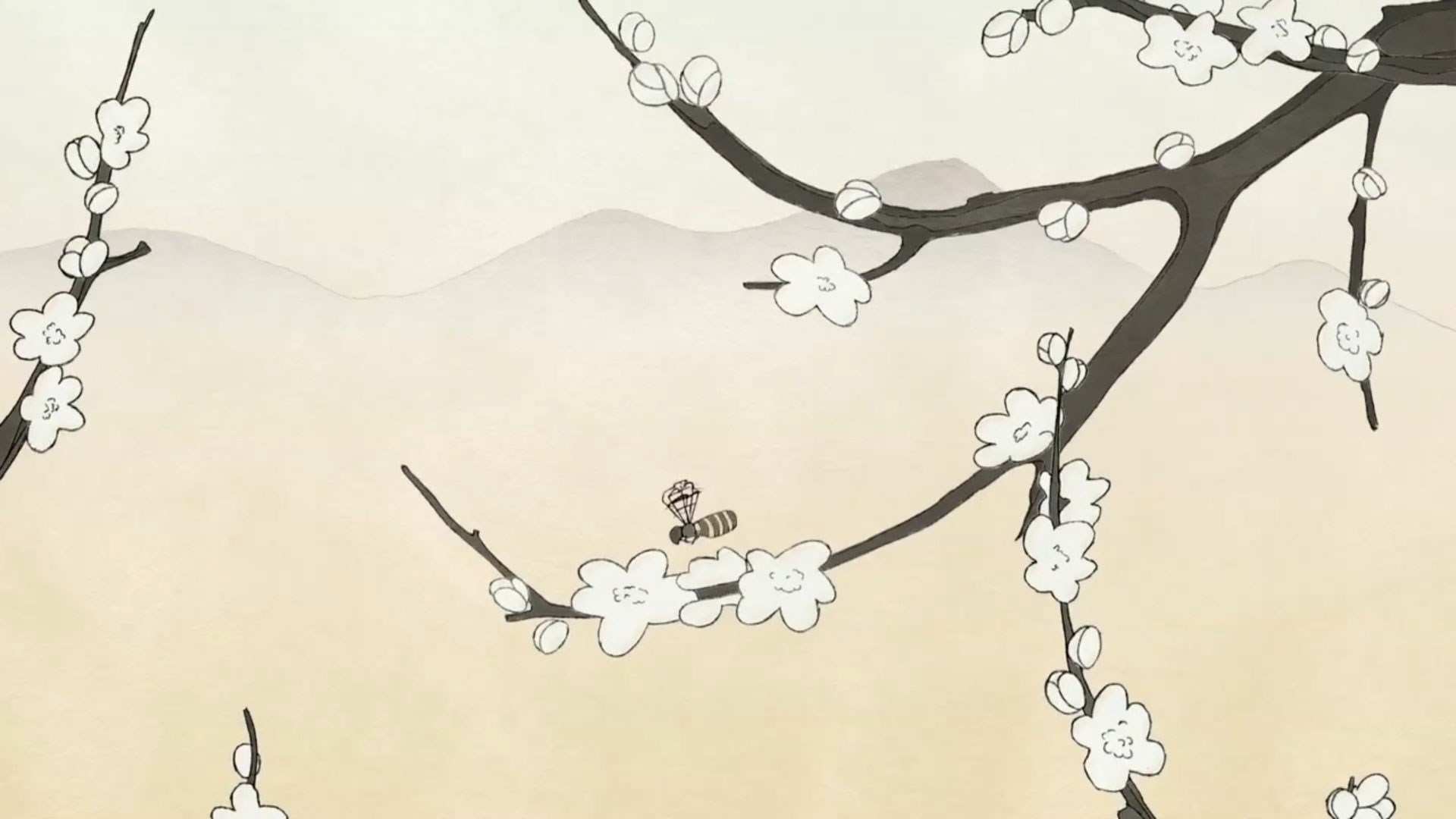
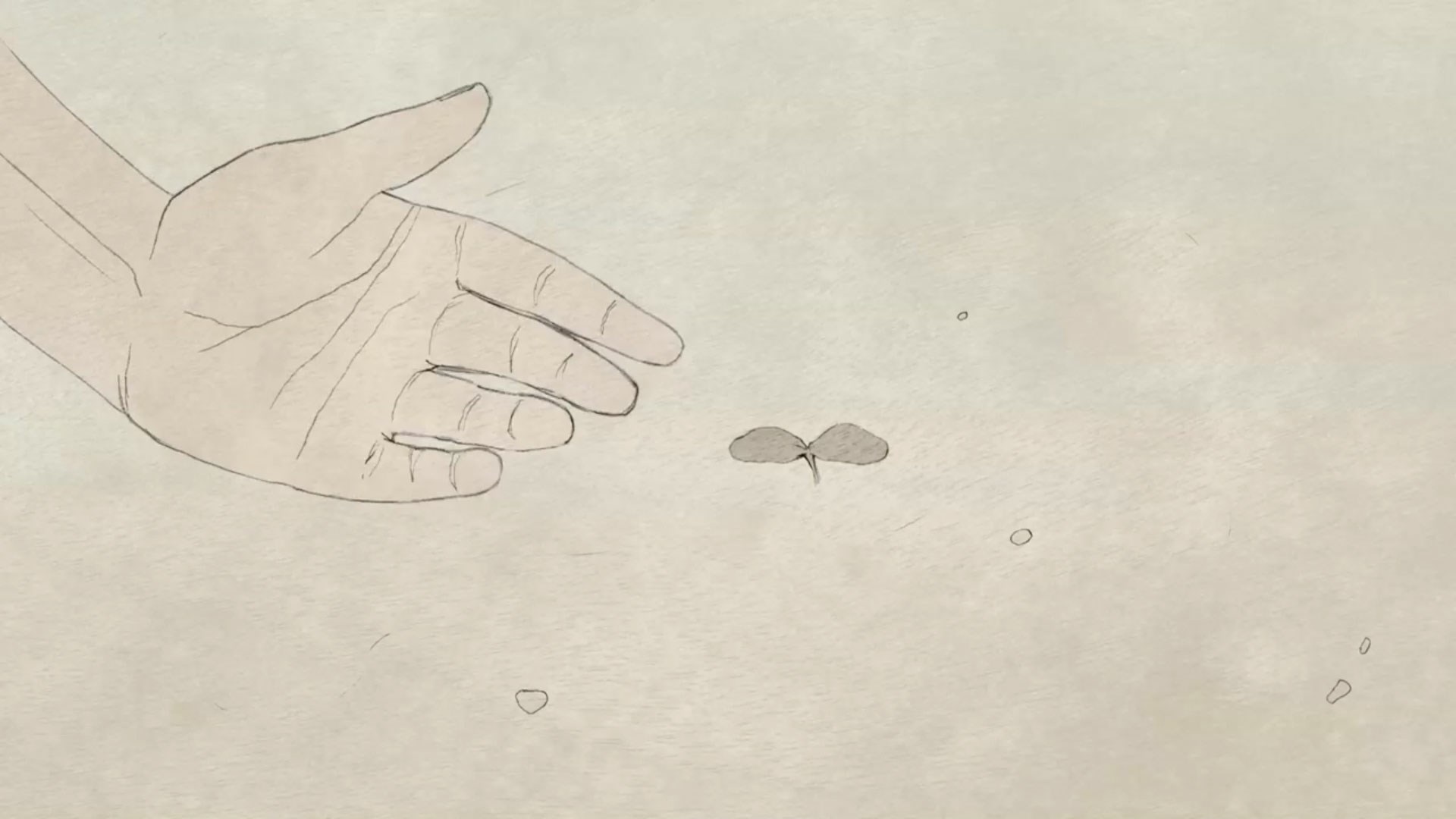
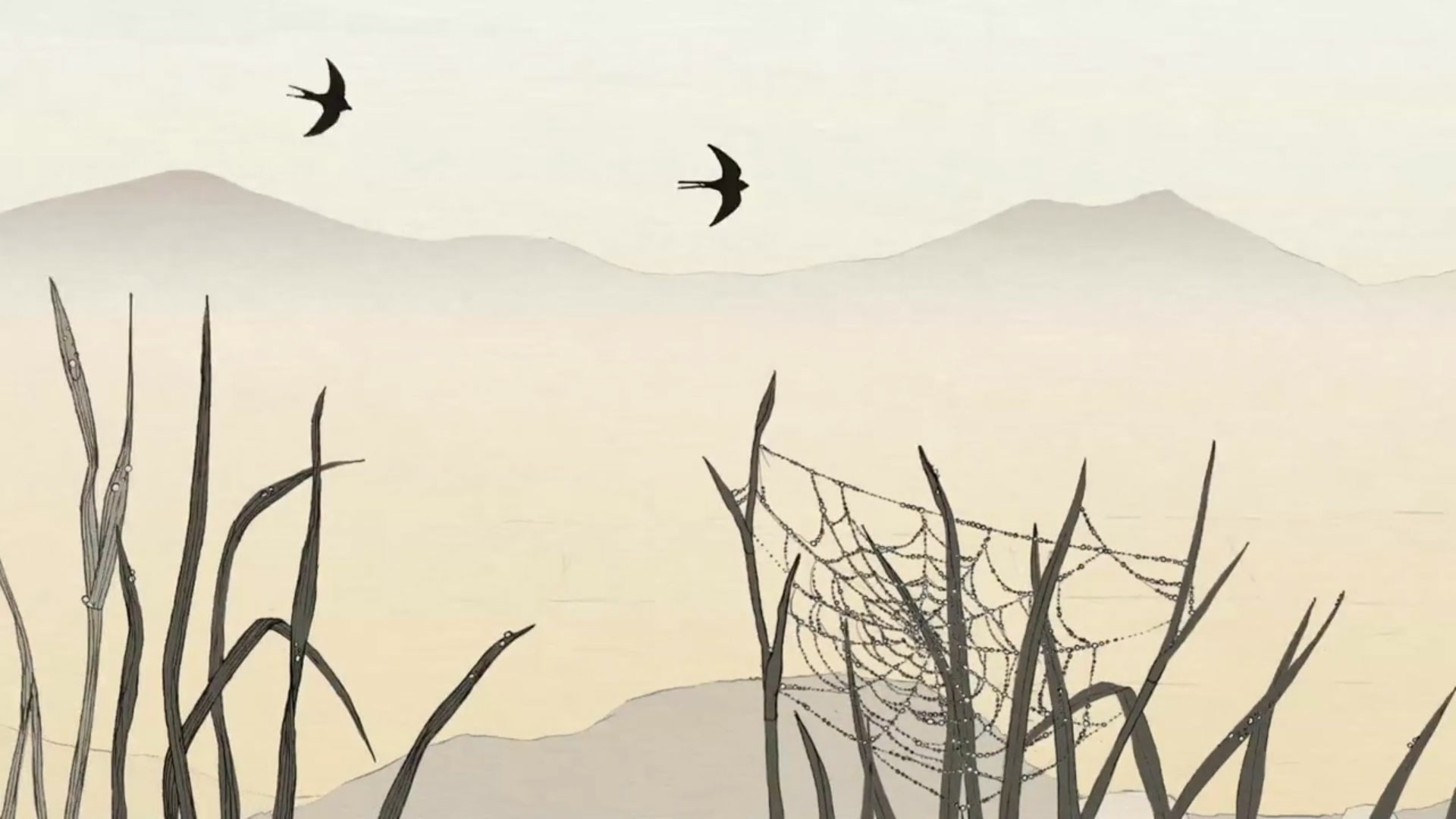
List what Kobayashi Issa encounters during his walk. Specify, before viewing, that all the scenes in the film are themes often found in haiku.
Haikus are short poems whose themes are often nature, the seasons, the present moment, or emotions. They always consist of three lines: one of five syllables, one of seven, and one of five.
For example, one of the most famous haikus by Bashō Matsuo reads in Japanese: Furu ike ya (5 syllables)
Kaeru tobikomu (7 syllables)
Mizu no oto (5 syllables)
And in French: “An old pond
A frog plunges in
And the sound of water”
Bashō Matsuo (1644-1694), Kobayashi Issa (1763-1828), Buson Yosa (1716-1783) and Masaoka Shiki (1867-1902) are the four classic masters of haiku.
Why not offer the students, in the form of a game, to associate scenes from the film and famous haikus, then secondly, to invent their own haikus based on images from the film.
Activity sheet written by: Christophe Defaye