Educational activity based on the short film Kippik
Understand why some animals hibernate in winter.
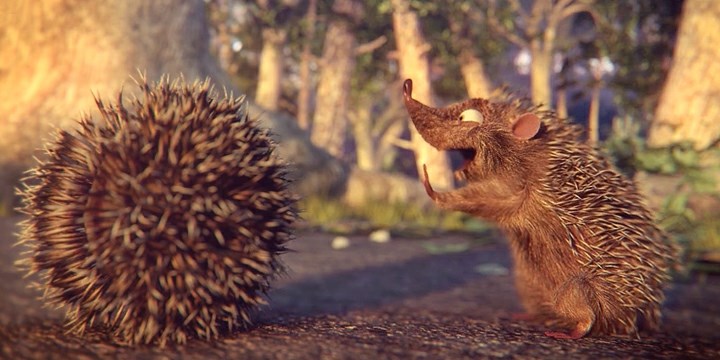
Kippik © LISAA
TitleKippik
ThemeAnimals
Genre & keywordsComic, hedgehog, chestnut, forest
Age (for the film)3-11 years
Duration02 min 35 s
DirectorE.Dornic&M.Gabrieli&F.Godofe&A.Pezé&F.Scaduto&B.Touroude&F.Lacoste
MusicFélix Lacoste
ProductionLISAA (France, 2013)
Identify the diets of living things.
The film is shown to the students. The students are then encouraged to share their thoughts about the film and its comedy of situation. A parallel can be drawn between Kippik and Scrat (Ice Age). The teacher will get students to think about this question: “Why are these animals looking for food in autumn? ".
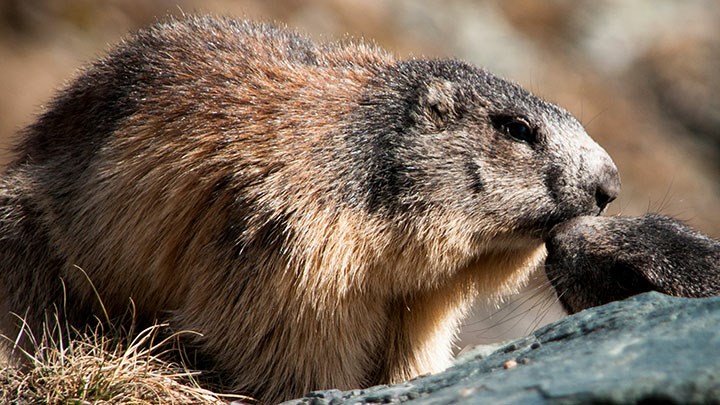
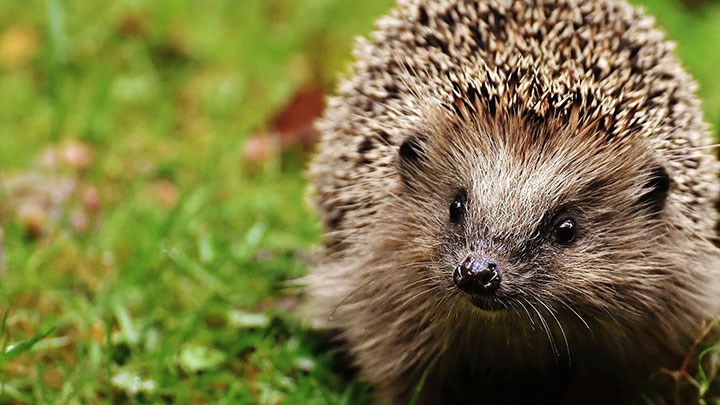
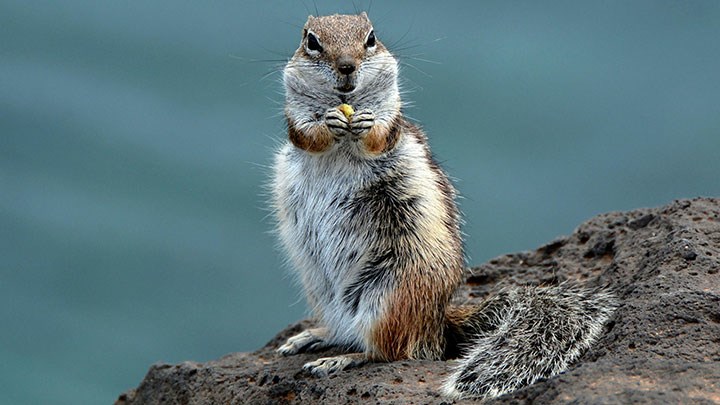
The children are asked, in small groups, to sort pictures by whether or not the animal hibernates To help them with the sorting, the teacher can offer a series of documentaries and picture books about hibernation. The completed sorting will be displayed on the board and discussed, to draw up a list of the animals that hibernate. To complete the work, show the video Why do animals hibernate?
Marmots, dormice, hedgehogs, bears (semi-hibernating), turtles, bats, frogs...
Following this sorting, the children are asked to create a summary poster about hibernation (as a mind map or a hands-on / interactive lesson).
Some links: How do animals hibernate? on the “C'est pas sorcier” YouTube channel.
- We can talk about three strategies for surviving winter: adaptation, hibernation and migration. Each strategy will be summarized through a short text and illustrations produced by the students following their reading and research.
Activity sheet written by: Dgedie. Discover the blog L’école des Juliettes...