Educational activity based on the short film Les ailes du papillon
EMC: Participate in discussions constructively, position your contributions in relation to those of others, put forward arguments, draw on knowledge, and observe the usual rules of communication.
Oral language: Listen to the teacher, ask questions, express your point of view, your feelings, speak in front of other students to rephrase, summarise, recount, describe, and explain your reasoning.
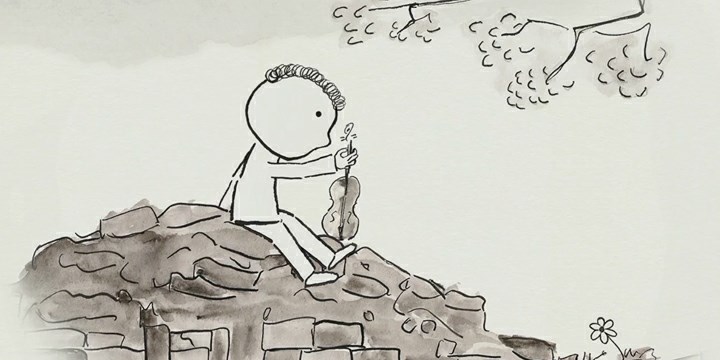
Les ailes du papillon © Benjamin Gibeaux
TitleLes ailes du papillon
ThemeDespotism
Genre & keywordsNarrative, king, dictatorship, tyranny, war, animals, childhood.
Age (for the film)9-11 years old
Duration09 min 17 s
DirectorBenjamin Gibeaux
MusicBenjamin Gibeaux
ProductionBenjamin Gibeaux (France, 2006)
Violence, respect, justice and injustice.
1 Describe What is this film about? Can you describe what these children are going through? 2 Give your opinion What do you think of the behaviour of the two leaders? 3 Make connections Have you ever seen child victims of war on television? Have you ever been afraid of experiencing this kind of situation in your country? 4 Debate Choose one or more themes from those suggested, over one or more sessions. 5 Takeaways from the debate — A written record of the conclusion (what we should take away from the debate).
Theme 1: Violence Do you suffer from the violence of words, threats, blows? At home, at school, on the street? Is it easy for you to tell the difference between a play-fight, just for fun, and real violence that causes suffering? How do you defend yourself? All alone ? By grouping up? By talking to older people to get help? Do you know any children whom others treat violently? Have you ever stood up for them? Did you talk about it? If you are violent, is it because someone was violent towards you? Were you insulted or rejected? Do you envy those who are respected without getting angry?
Do you think violence helps you get what you want? To appear stronger? Or does it make you lonely and sad? Do you think that the violence of adults, in the news and in certain films makes you want to be violent? What would you suggest to fight against violence?
Theme 2: Respect If you don't respect anything... Don't you think about how other people feel? Do you care? Are there people you don't respect? Do you know why? Are you aggressive towards others? Because you are afraid of them? For you, does earning respect mean making people fear you? And does respecting others mean being a pushover? Do you feel respected? in your family, at school?
If you respect others, things... What does respect mean to you? Listening, being considerate, showing regard? Follow the rules to live together? Are you self-confident? Do you know how to apologize when you are wrong? Are you respected by your parents, your brothers and sisters, at school? Who respects you the most? Are you sometimes shocked by the lack of respect from adults, from children, in the street, on TV, in sport, in the world?
Theme 3: Justice / injustice Are you rejected, even though you try to be nice?
Do you find it unfair that there are wars? Poor countries? Hungry children? Children who don't go to school and have to work? How do you react to injustice? Do you suffer? Do you rebel? Are you violent? Do you stay silent? Do you talk it through? Are you unfair sometimes? Do people listen to you when you complain about injustice?
Have you ever been the victim of injustice? Would you rather be unfair or suffer injustice? Do you follow the rules? Do you like others to follow the rules?
Activity sheet written by: Séverine Devillers. Discover the blog Le cartable de Séverine...