Educational activity based on the short film Lost Property
Write a text by organizing your ideas, developing sentences and stringing them together coherently.
Use the language-study tools available in the classroom (dictionaries, spell checkers, etc.).
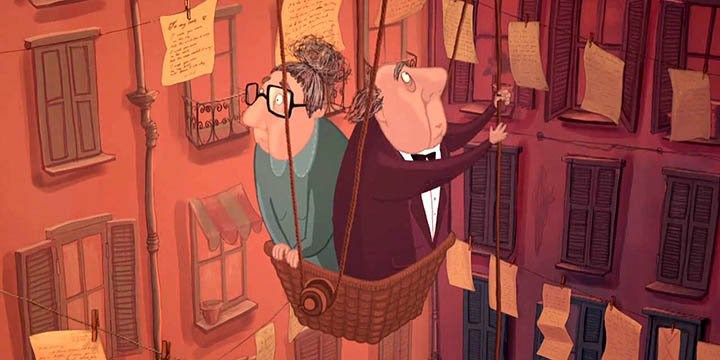
Lost Property © 12foot6
TitleLost Property
ThemeMemory, Family relationship
Genre & keywordsNarrative, friendship, love, nostalgia, memory, memories
Age (for the film)9-11 years old
Duration06 min 13 s
DirectorAsa Lucander
MusicDavid Arch
Production12foot6 (United Kingdom, 2014)
Produce a technical object from a construction diagram.
In addition to the analysis activities proposed in the Canopé thematic course on memory by Jean-Louis Jouanneaud, ask the students about their experiences: 1 Have they ever forgotten something important?
2 Did this have any consequences?
3 Are they able to easily remember what they want? How do they go about it?
4 Are they aware of the determining role of sleep in memorization (a sorting is carried out between what
deserves to be remembered and what does not need it)? 5 What do they, or those around them, do to avoid forgetting certain things (notes, memos, reminders on
smartphone...)? 6 Suggest they test the people around them by asking them, for example, to name the names of their
kindergarten and elementary school teachers. Are they able to remember them all?
Help students identify that certain memories are linked to places, situations and objects. Ask them to choose an object with which they wish to permanently associate their current memories. The task is to make a little book telling the story of their bond with the object and what it means to them. We will then keep this little book either with the object itself, or in a protected place in the house (for example with passports or other official family documents), which they will enjoy rediscovering and rereading years later. You can print a few of these little books from this page to allow students to picture themselves doing the activity more easily.
Give them the blank A4 mini-book sheet [material to print] (taking care not to resize it when printing). Guide them during the folding process (and make the central cut yourself). Once their text has been written in draft and corrected, using the elements suggested on the last page, they can copy it out neatly into the little book, before illustrating it, reading it to their classmates if they wish... and taking it home.
Activity sheet written by: Bruce Demaugé-Bost. Discover the « Petit Abécédaire de l'école »…