Educational activity based on the short film The best toy
Understand the function and functioning of manufactured objects.
Identify the main developments in needs and objects.
Compare lifestyles.
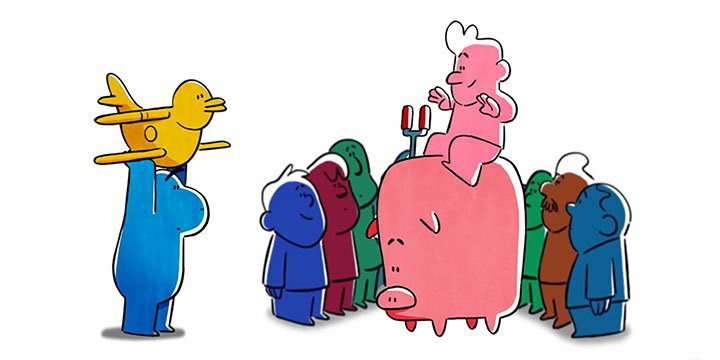
The best toy © Gabriel Lin
TitleThe best toy
ThemeFriendship, Appearance
Genre & keywordsComedy, exclusion, toy, friends, self-confidence
Age (for the film)3-9 years
Duration02 min 46 s
DirectorGabriel Lin
MusicPepper Rivera
ProductionCalarts (United States, 2014)
The story of the “little car” toy.
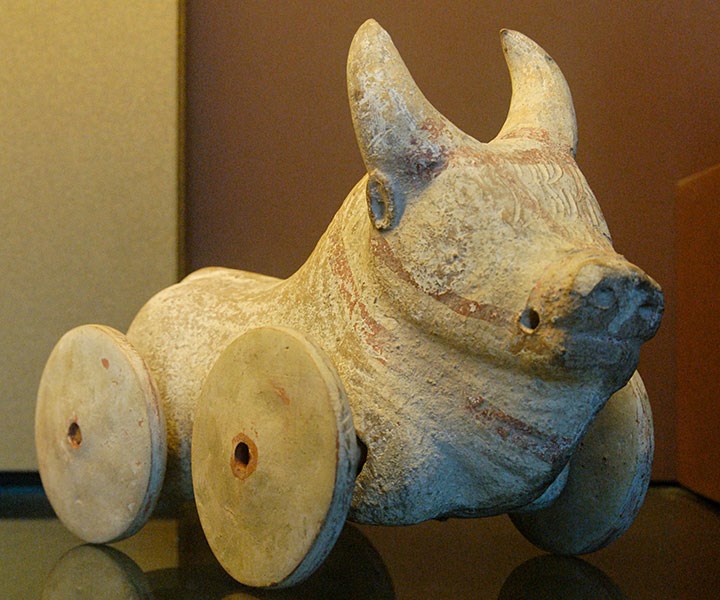
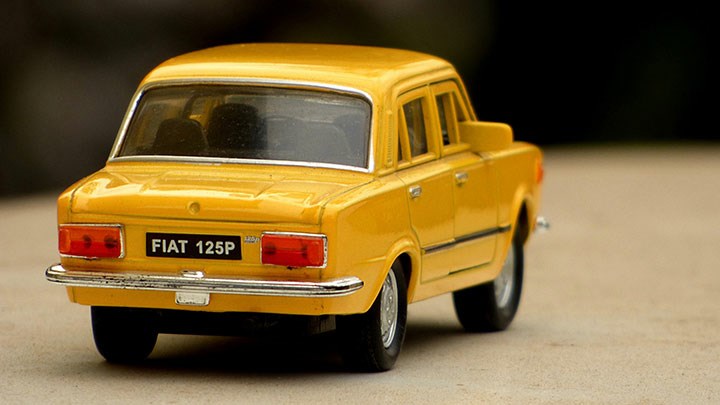
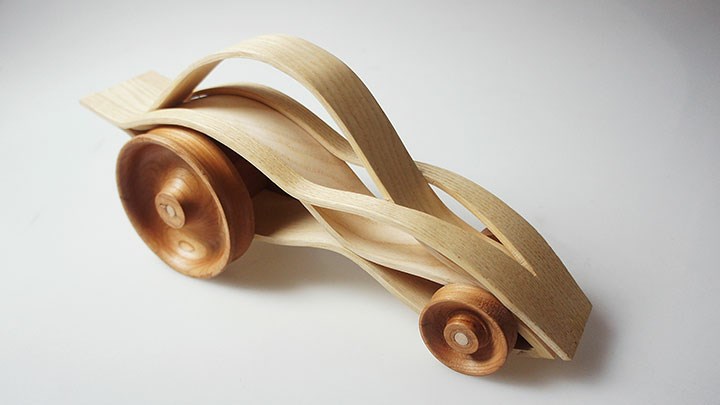
What does a toy say about the era in which it was released? What, in it, is timeless and what, through it, realizes the patterns of a moment in our society? These questions, with anthropological and historical extensions, can be addressed with children in a very simple way by questioning a toy with a history long enough to cover several generations. The “little car” toy can play this role (miniature carts are among the first toys found!).
Children are invited to carry out a small investigation within their family, in the form of a photo report or testimonials, to identify the corresponding objects and gather information on their cultural context. The surveys are carried out over a period long enough to interview as many people as possible. The children then prepare a short presentation to present the results of their research to the class. This gives rise to a debate on the conclusions to be drawn from these observations.
It may be interesting not to fix the definition of the toy “small car” too much beforehand. The space in which the word is interpreted by children (and their families) reveals the cultural variety and the various functions that it can take on. On the other hand, it is better to frame the investigation by suggesting to the students a research framework, by asking for example for each object listed: an image, its name, its brand (possibly a packaging), its functioning, its owner, in what conditions it was received, a significant memory attached to the object, etc.
For the discussion during the pooling, the teacher can use a plan addressing the following points, which should be placed in the original context of the toy:
The activity could also include a visit to a museum’s toy collections. More and more museums (specialized, design or popular arts) are developing toy collections. See for example:
Activity sheet written by: Bruno Pellier