Using abstraction to nurture children's artistic education.
The children's films that we select were not specifically created for them. We offer short films that children rarely get the chance to discover, whether at school or at home, but which are perfectly suited to younger children. The Canadian director's films are a very good example in this regard.
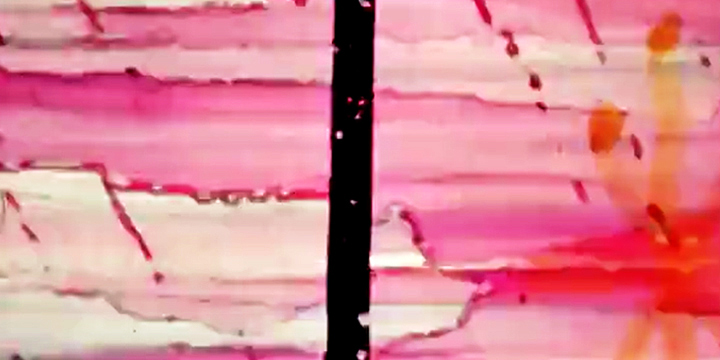
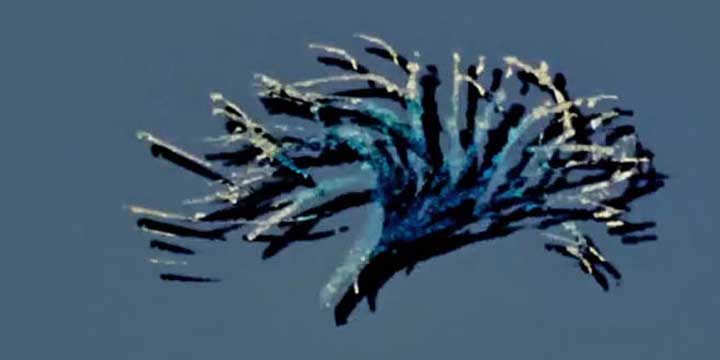
McLaren (1914–1987), considered one of the great masters of animated cinema, was a very inventive filmmaker. He paid particular attention to rhythm and movement and experimented with numerous techniques such as scratching directly on film, painting on film, live action, stop motion, pixilation and even traditional hand-drawn animation.
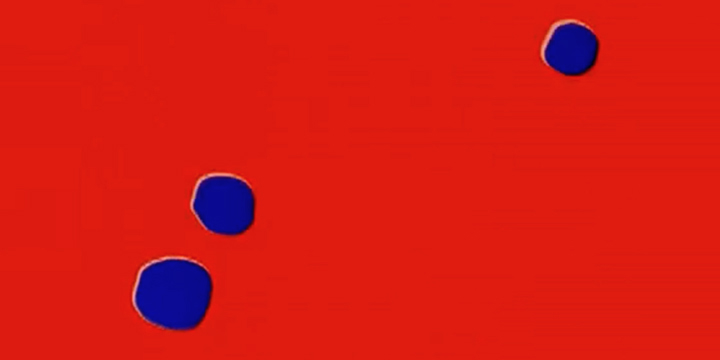
In the film "Dots" for example, he drew the images, but also the sounds, with a pen, directly on the film, without a camera or recording device.
Director and animator, Oscar winner in 1953 for the film "Neighbours" (Oscar for best documentary short film), a major figure on the animation scene.
He worked at the National Film Board of Canada (NFB) between 1941 and 1983 and directed nearly 60 films at the forefront of cinema, infused with painting, music, dance and movement. The films were added to UNESCO's International Memory of the World Register in 2009.
To watch the director's short films for free, you can visit the National Film Board of Canada website.

© National Film Board of Canada
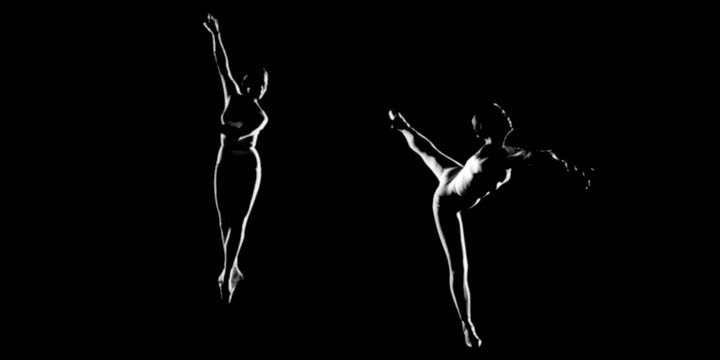
Norman McLaren did not make his animated films for children but rather in an experimental context and his films are not narrative but visual, musical and abstract.
However, experimental film is not incompatible with children's film and the poetry of the films is conducive to wonder and artistic awakening.
The play of colors, shapes and sounds, the originality of the music, open up different worlds and make children want to experiment.
The NFB has created a fantastic application: “McLaren’s Workshop”. In particular, you will be able to watch 51 classics and 11 documentary films for free.
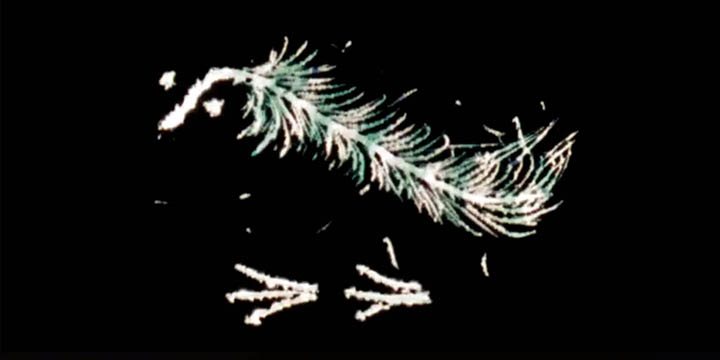
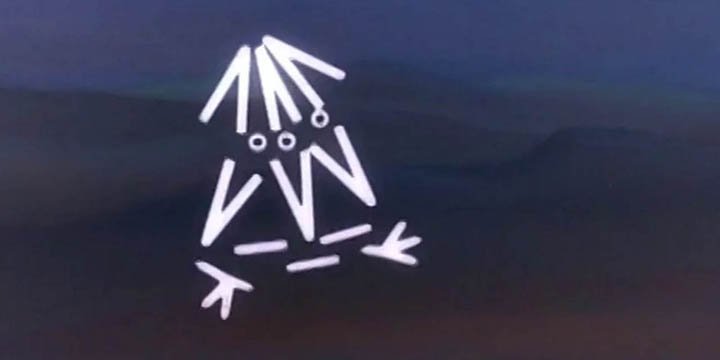
Children will be able to make their own animated films using the paper elements and original backgrounds created for his great classic, “Le Merle”.

Download the L'Atelier McLaren app
Did your students enjoy Norman McLaren's short films? Have you studied a film in class, an abstract animation sequence, a film about dance? Do you know other experimental directors who work on rhythm, movement, the relationship between images and music? Abstract films, films about dance?
Help us discover other short films like the film “Pas de deux”, “Boogie-Doodle” or “Le Merle”!