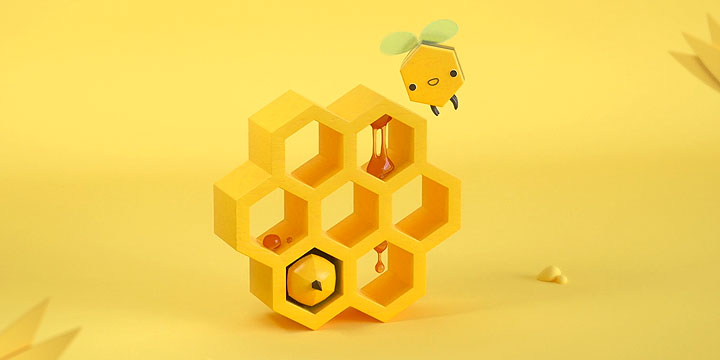
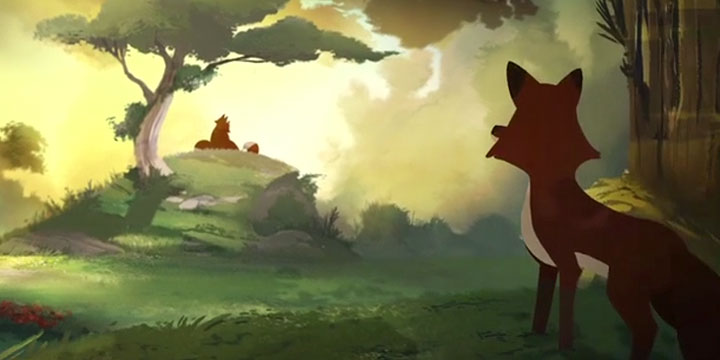
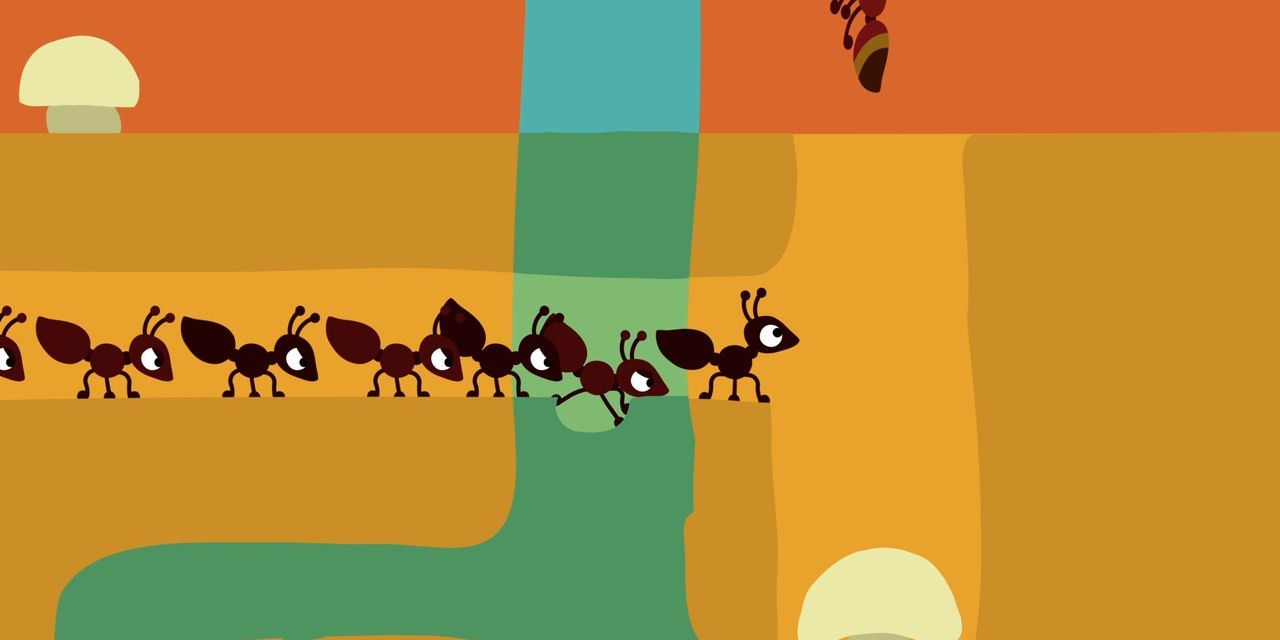
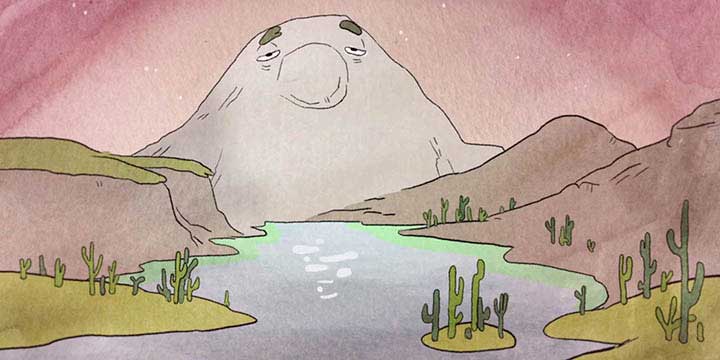
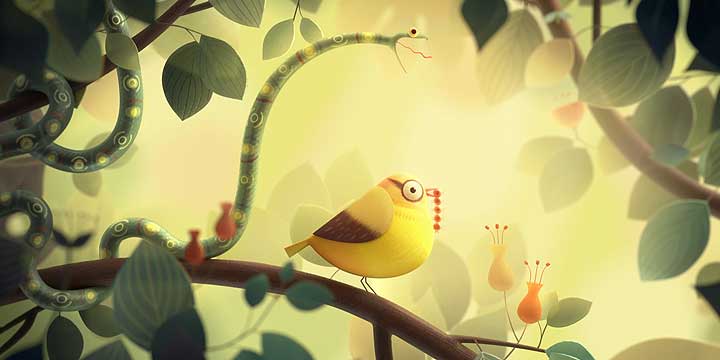
A film to explain to younger children how honey is made but also why bees sting.
Bees are the only ones who know the recipe for honey! From the flower to the hive, a very special technique.
The bees gather nectar from flowers and honeydew, mix everything in their crop (small pocket before the intestines) then pass it through the crop of another bee; from bee to bee, the mixture is enriched and transformed into honey!
The bees will regurgitate and deposit the honey in the cells of the hive. They will also have to beat their wings vigorously to dry the honey, then secrete strips of wax to build new cells and close those containing the dried honey which will serve as food for the larvae and bees during the winter.
Did you know that a worker only produces 10 grams of honey during the 5 to 6 weeks of its existence?
The bees used for the production of honey are domestic (or social) bees; but, there are more than a thousand species of wild bees. 90% of wild bees do not have a queen; they are solitary and work for themselves. They do not produce honey; the nectar gathered and mixed with the pollen is only used to feed the young bees. The solitary bee makes its nest in the earth, a stem, dead wood and prepares food for future larvae before disappearing.
Bees, like wasps, sting when they feel threatened; the difference is that, at the time of the sting, the bees' harpoon-shaped stinger stays lodged in the skin; in escaping, as shown in the last scene of the short film, the bees lose part of their abdomen without which they cannot live.
The wasp's stinger is smooth and does not remain stuck in the skin; the wasps can therefore escape without problem, continue to live and sting!
The bee does not sting for pleasure but to defend the colony and ensure the survival of the species.
As with mosquitoes, only females (workers) sting; Male bees do not have a stinger.
Our selection of films for children is recommended by teachers and parents to allow young children to watch quality films safely. Teacher reviews and parental control matter. Share your opinion on the films and help us find the best children's films!