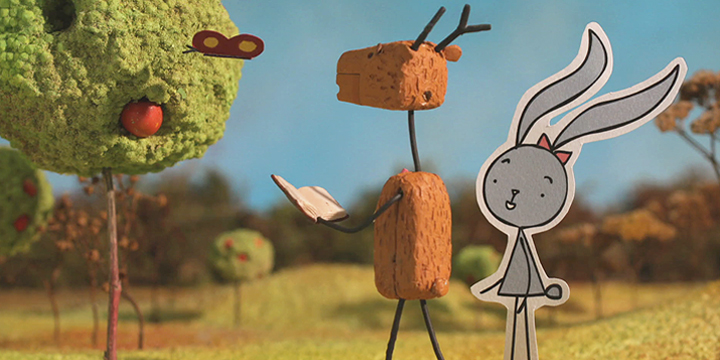
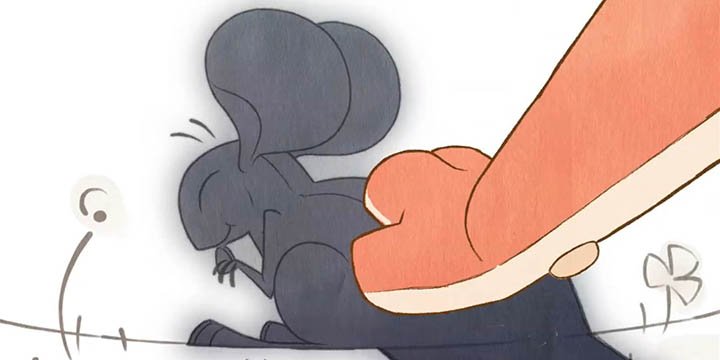
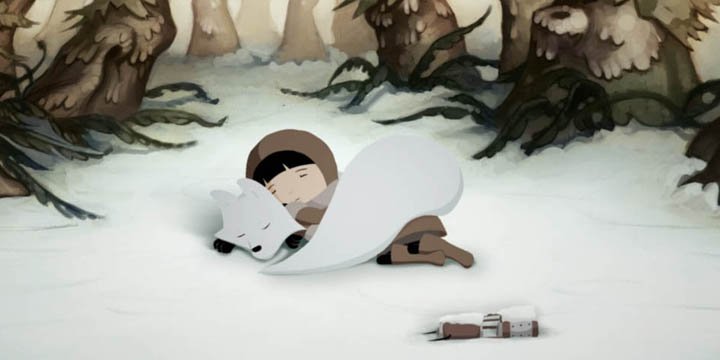
A film without dialogue which depicts a phenomenon from the science curriculum: the life cycle of the butterfly. The clumsiness of the two helpers creates a comic twist that is immediately readable by the youngest, while asking a question: is helping always a good thing? With kindergarteners, we can reconstruct the stages of metamorphosis in order. With older children, compare the film to the actual observation of caterpillar breeding in class.
The short film “Sweet Cocoon” was selected for the Takorama 2023 festival organized by the Films pour enfants association.
Questions about the film
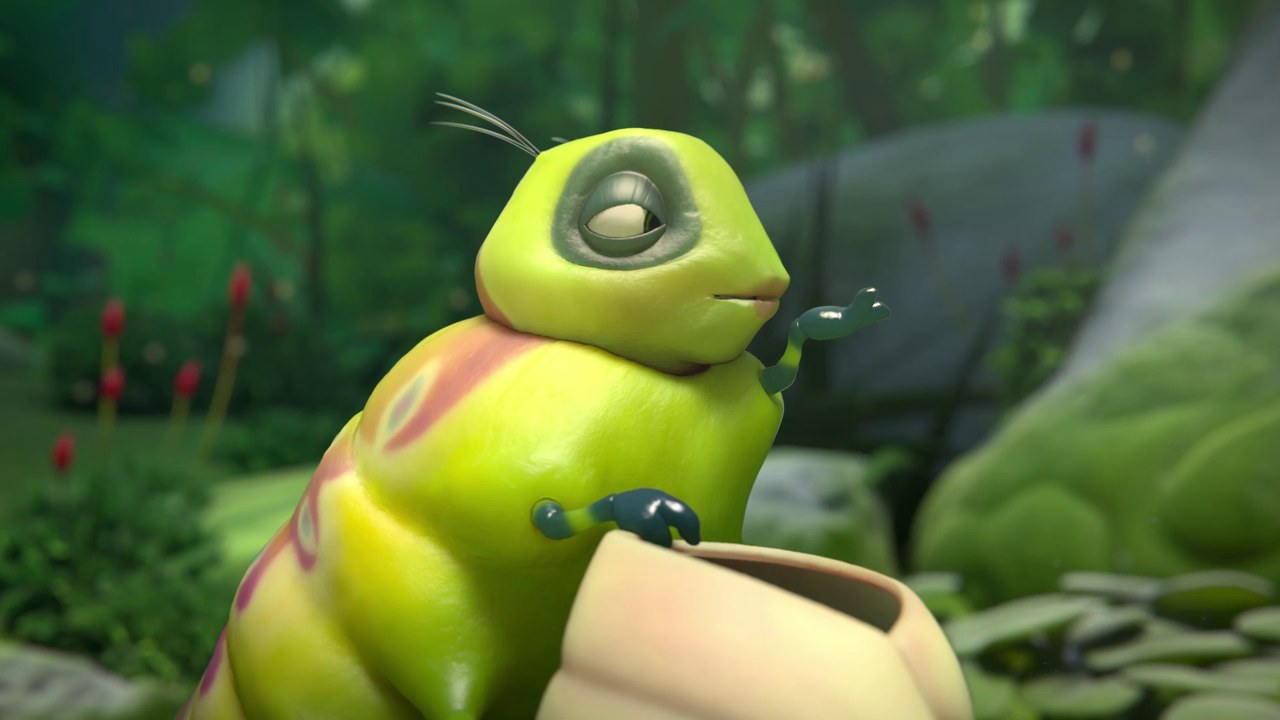
1-Who is the main character in the film?
It's a caterpillar.
2-Why is the caterpillar afraid 1 minute into the film?
She hears the cry of a bird and is afraid for her cocoon.
3-What does the caterpillar try to do next?
She tries, in vain because she is too big, to return to her cocoon.
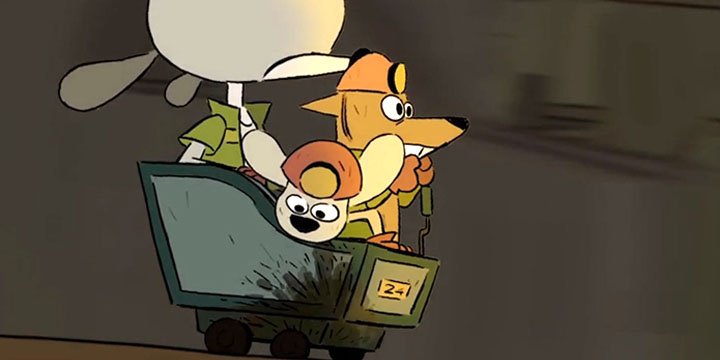
4-At 1 min 35 s of the film, who are the two new characters?
These are two new insects.
5-What are they going to do?
They will help the caterpillar to return to its cocoon.
6-Will they succeed?
Yes. After several attempts, they finally succeeded in getting the caterpillar into its cocoon.
They made a pendulum system to keep the cocoon suspended, but are forced to stay on one side of the pendulum to maintain balance.
7-What happens at 4:25 of the film?
The caterpillar turns into a butterfly. This process is called metamorphosis.
8-What is the film's downfall?
The butterfly flies away but is unfortunately attacked by a bird, perhaps the same bird that didn't want the caterpillar at the beginning of the film.
9-In the film, the caterpillar enters its cocoon but how does this normally happen?
Caterpillars do not enter existing cocoons, they make new ones.
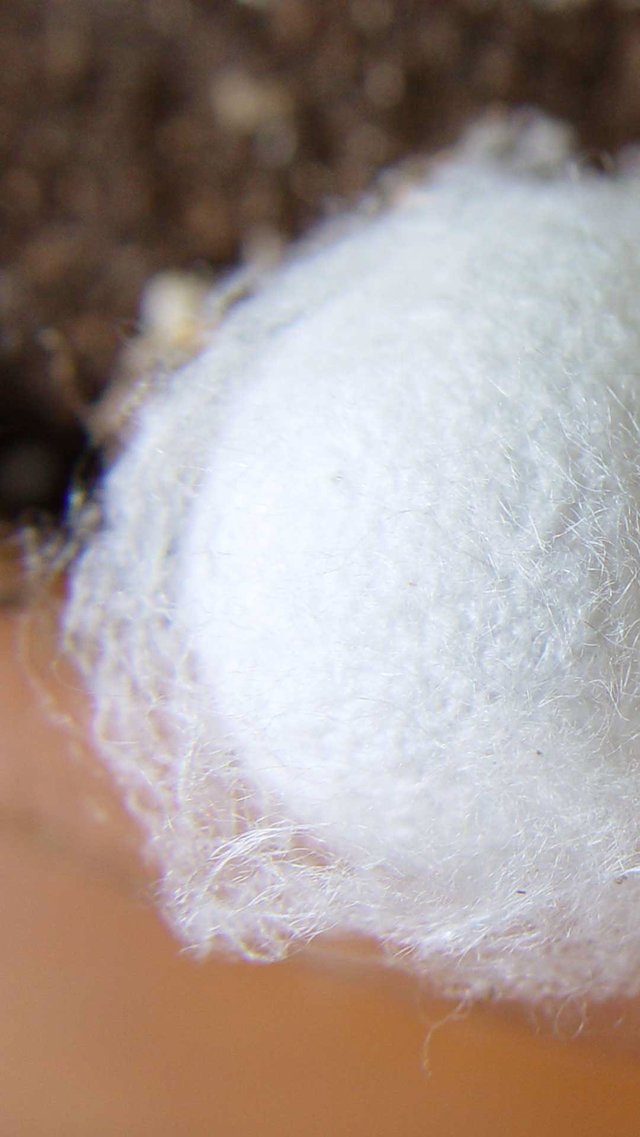
Once mature, they make their cocoon from silk threads that they produce using glands located on their body. Once the cocoon is woven, the caterpillars can stay there from a few days to a few months, depending on the species, before transforming into a butterfly.
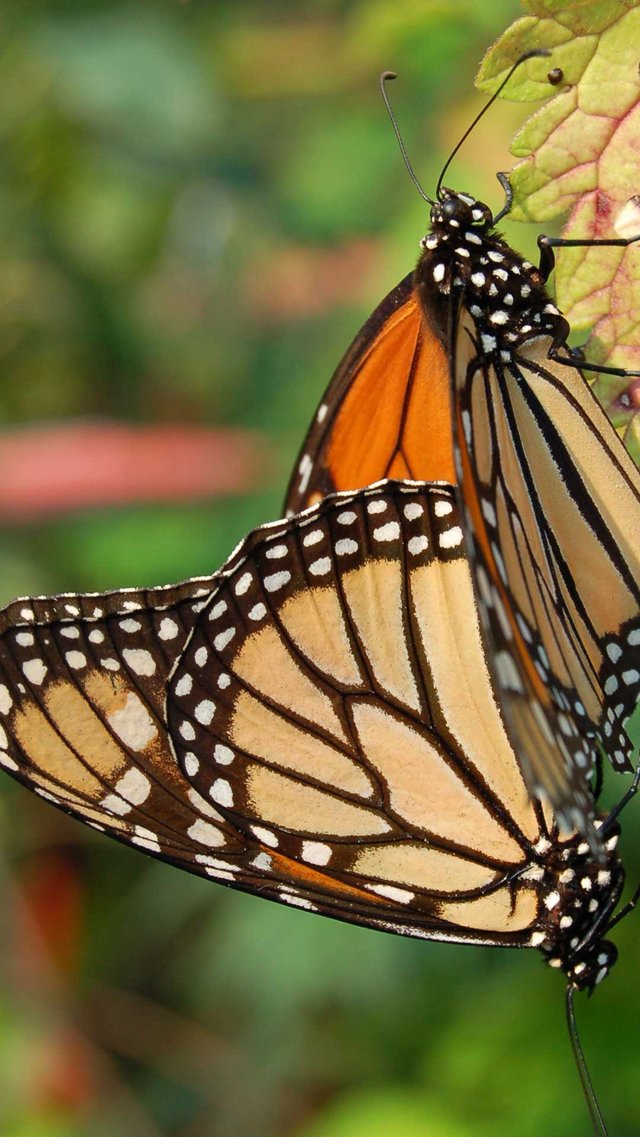
10-Do you recognize the butterfly wing patterns from the film? Do you know the name of this butterfly?
Lepidoptera, commonly called butterflies, constitute one of the most widespread orders of insects in the world, comprising more than 150,000 species (5,000 in France). The wing pattern of the butterfly in the film is very similar to that of the Monarch butterfly (Danaus plexippus).
Extensions and references
1- Living world
- From caterpillar to butterfly
The film is the ideal opportunity to introduce children to the transformation of the caterpillar into a butterfly.
It all starts with an egg that the female butterfly lays on a leaf.
From this egg, a small creature is born with a soft body and short legs: the caterpillar.
After a few weeks, when it has grown enough and reached the chrysalis stage, the caterpillar attaches itself to a leaf or branch and begins to weave a cocoon from silk threads around itself for protection.
Some types of caterpillars spin their cocoons in a few hours, others in several weeks.
Inside the cocoon, the caterpillar undergoes a spectacular transformation: metamorphosis.
In about 2 weeks, it dissolves almost completely and rebuilds itself into an adult butterfly.
The cocoon is the protective covering that the caterpillar makes, while the chrysalis is the intermediate stage of transformation where the caterpillar turns into a butterfly. It is inside the chrysalis that the magic happens and the caterpillar becomes a magnificent butterfly.
When the transformation is complete, the butterfly emerges from its cocoon. He has beautifully colored wings that allow him to fly. The butterfly then begins to look for a partner to mate and lay eggs. The life cycle of the butterfly thus begins again.
The egg, the caterpillar, the chrysalis, the cocoon, and finally the transformation into a butterfly!
Nature does incredible and fascinating things that can only amaze us.
It is important to continue to explore and learn about everything around us to better understand the diversity and complexity of our world.
- The making of silk
Silk is a natural fiber produced by insects called silkworms (Mulberry Bombyx).
2- Plastic arts
- Make a paper butterfly
After discovering different patterns of real butterflies and making an origami butterfly, children will imagine and draw their own patterns on the origami wings.
One option is to draw a pattern with ink and then fold the paper in half so that the pattern recurs symmetrically.
Educational activities offered by Christophe and Olivier Defaye.
Our selection of films for children is recommended by teachers and parents to allow young children to watch quality films safely. Teacher reviews and parental control matter. Share your opinion on the films and help us find the best children's films!