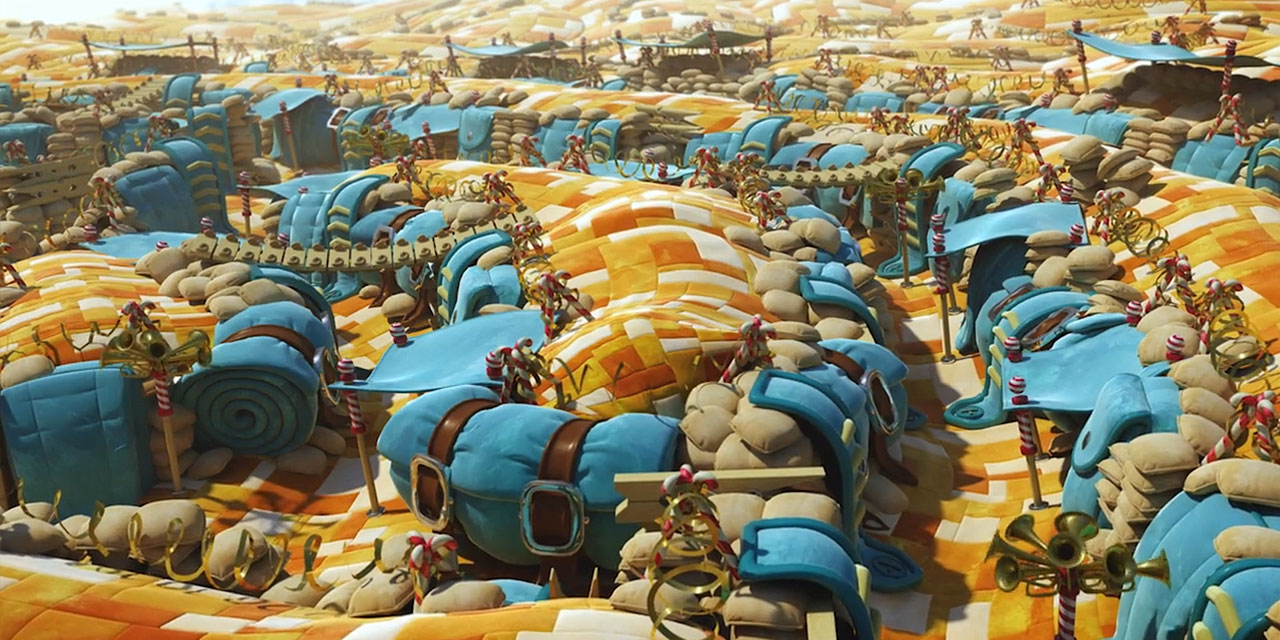
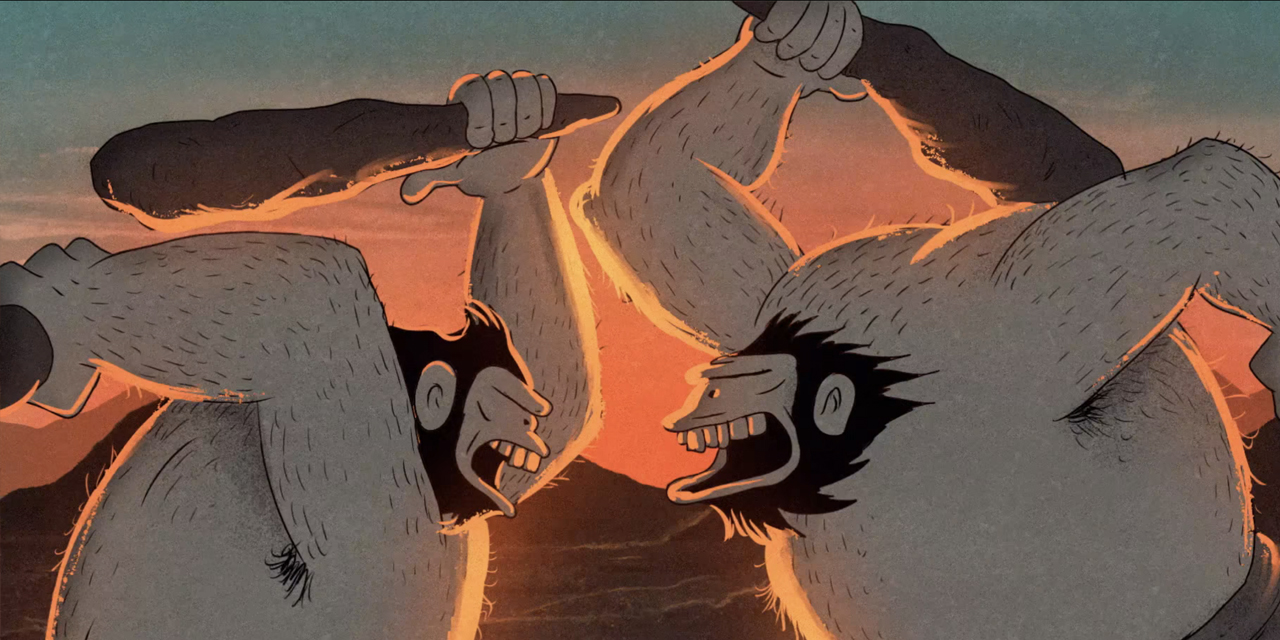
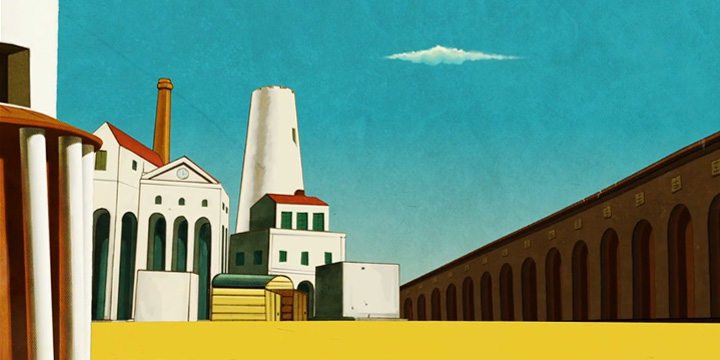
An opportunity to question the relationship between man and nature.
The short film “Wrapped” was selected for the Takorama 2023 festival organized by the Films pour enfants association.
1-What is the theme of the film?
The theme of the film is the development of nature, of vegetation without the existence of men.
What would happen if men no longer existed? Would nature take back its rights?
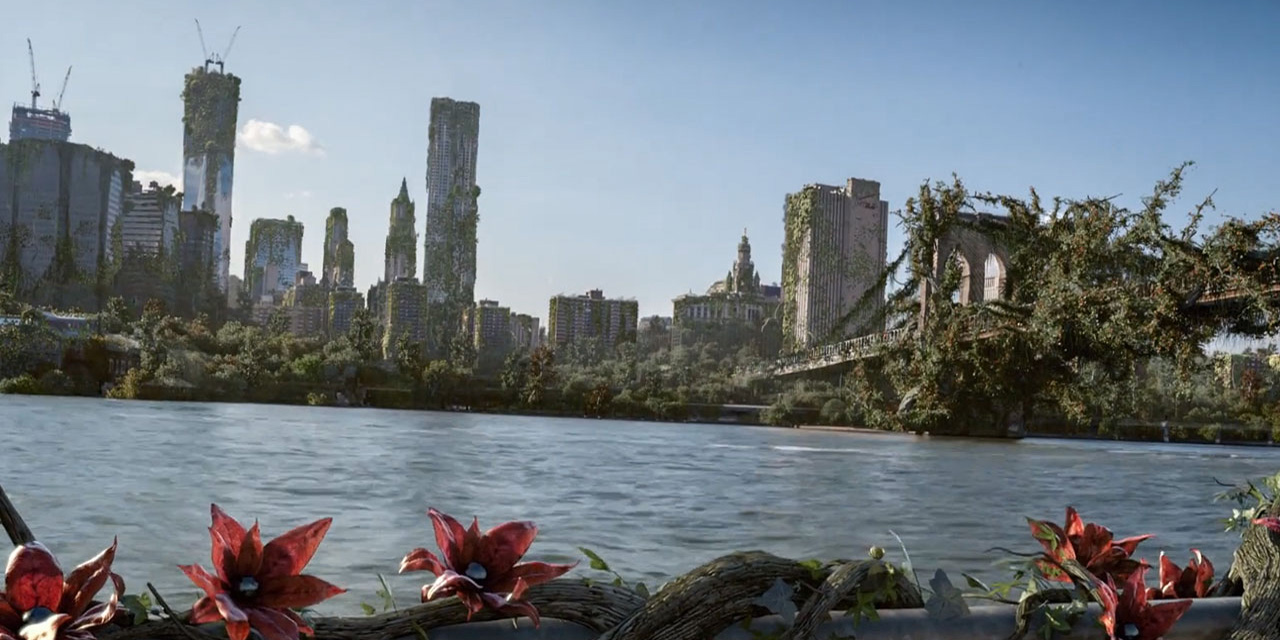
To ask this question, the directors deliberately used the example of a large metropolis, New York.
2-What does the beginning of the film make you think of?
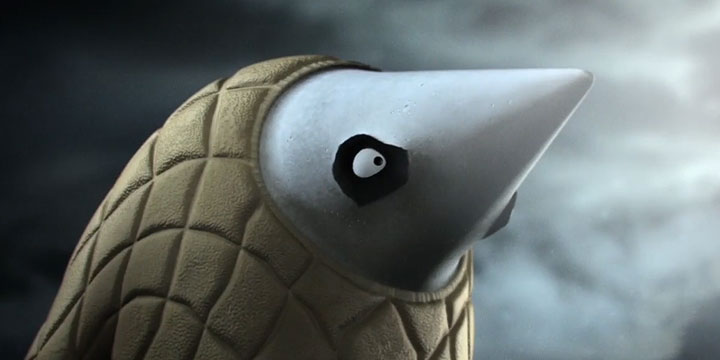
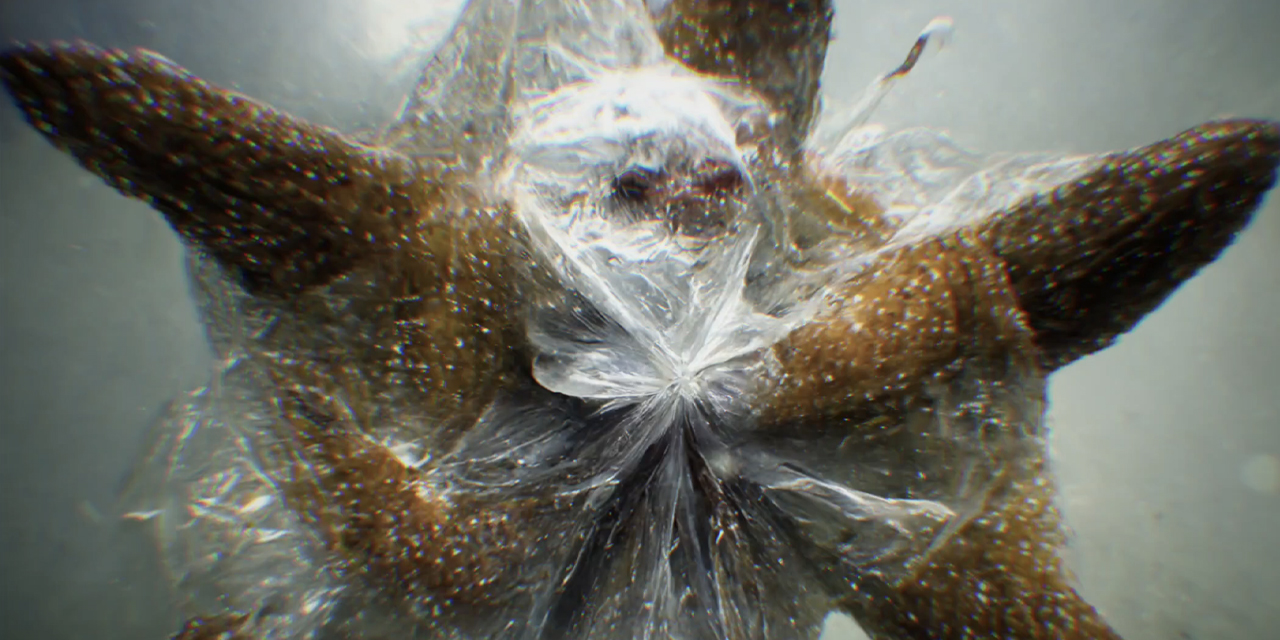
The beginning of the film depicts the spread of what could be a virus inside a rat.
The film was made in 2014, before the Covid-19 pandemic which appeared on November 16, 2019 in Wuhan, China.
The rat does not give birth to a virus that would spread like a normal virus but to lush vegetation.
3-What cinematographic technique is used in the film?
It is an animation and visual effects film which uses the cinematographic technique of time-lapse (accelerated).
Time-lapse is a special effect specific to cinema created during shooting or in post-production.
This effect consists of reducing the frame rate so that the movement is accelerated during projection.
The time-lapse becomes faster and faster and at 1 min 30 s of the film, we can no longer distinguish the movement of humans.
4-How does nature evolve in the film?
Nature first grows like moss then, at 1:40, the first ferns appear.
Climbing plants then invade electrical poles and building walls, and flowers bloom.
At 2:30, nature seems to have completely invaded the city.
The flowers explode like fireworks and destroy the city, the bridges, the buildings.
5-What is the end of the film?
The camera pulls back to reveal that not only New York but the entire Earth has been taken over by nature.
The circle is complete, the Earth is a small ball that the rat at the beginning of the film eats.
Extensions and references
1- Plastic arts
- Time lapse
Why not suggest that students make a film using the time-lapse technique?
2- Question the world
- The impact of humans on the environment
Human impact on ecosystems, biodiversity and natural resources has major consequences, such as global warming, ocean acidification, biodiversity loss and mass extinction.
Population growth, overconsumption, overexploitation, pollution and deforestation are some of the human activities that harm the environment.
But what would happen if man no longer existed?
Without human activity, nature would gradually regain its rights.
Cities and human-built infrastructure would quickly be overgrown.
Ecosystems could regenerate without human disturbances such as pollution and overexploitation of natural resources. Fauna and flora would regain their natural balance, and biodiversity would be restored.
Greenhouse gas emissions, a major driver of climate change, would decline and oceans could also recover, with acidification gradually decreasing.
In a scenario imagined by National Geographic, 200 years after the disappearance of man, the CO2 produced during the industrial era would be cleaned up, after 500 years, the forests would have regained their appearance 10,000 years ago and 25,000 years later, only certain nuclear waste would represent the last vestiges of humanity.
Educational activities offered by Bruno Pellier, Christophe and Olivier Defaye.