Educational activity based on the short film The perfect magic
Practice, with the help of teachers, some moments of an investigation process: questioning, observation, experience, description, reasoning, conclusion.
Understand that a space is organized.
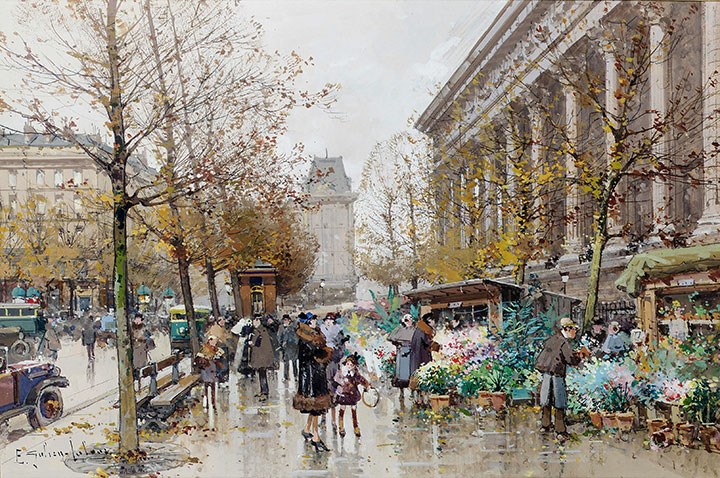
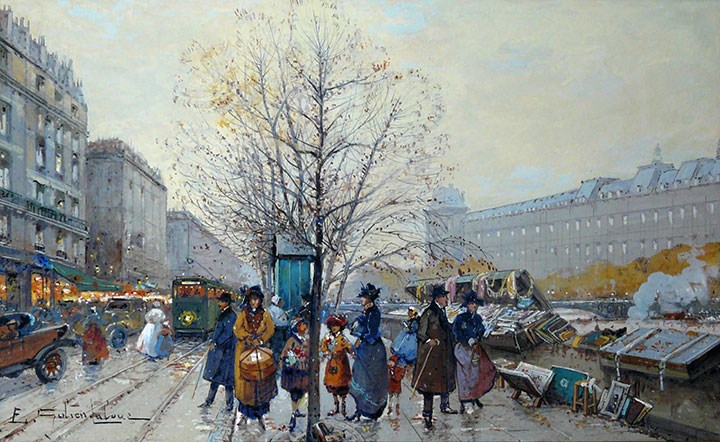
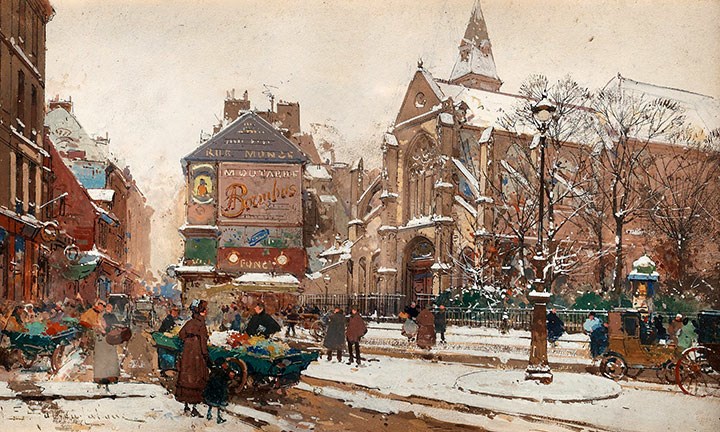
Identify landscapes: the urban landscape and public space.
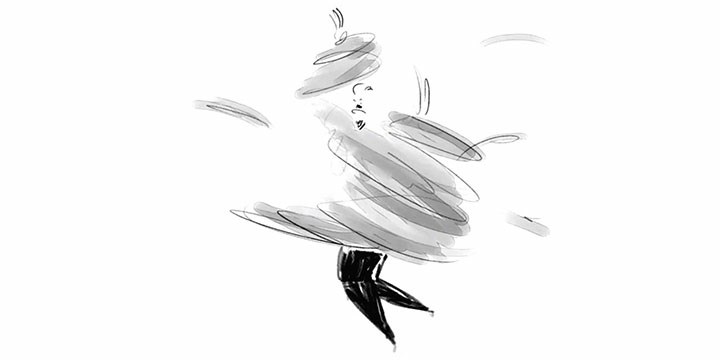
The perfect magic © Taipei National University of the Arts
TitleThe perfect magic
ThemeAppearance, Communication
Genre & keywordsNarrative, magician, magic, street, spectator, escape, exclusion, difference, tolerance, solitude, dance
Age (for the film)3-11 years
Duration05 min 11 s
DirectorWan-Jung Hsiao
MusicMing-Yi Chen
ProductionTaipei National University of the Arts (Taiwan, 2014)
Carry out a survey on life in an urban space.
What do we see in the street? What has become too banal to be interested in it? Who lives and works on the street? What is the standard of conduct in this particular space, in the geographical sense? This activity proposes to address these questions from an ethno-geographic survey: describe and quantify the actors and activities based on attracting the attention of passers-by (the solicitors can also be on the move, but the passers-by are those who use the street only as a place of transit).
The study location should ideally be located close to the school to be both familiar to children and allow for repeated study. The teacher must of course also choose a location conducive to the activities in question (a busy street with wide sidewalks, but also: square, square, public garden). Number of sessions and duration are adjusted according to the expected volume of observation, which must be anticipated by the teacher through prior recognition.
During observation sessions, children posted in small groups observe and spot people who seek attention. They note the occurrence of a request, its form (word, speech, gesture or attitude, sign), the attitude of passers-by, the success or failure, the duration of the relationship created, the emotions expressed by the requester and the passers-by, etc. The invention of qualitative criteria is an important part of the study as important as quantitative measures.
In a second synthesis phase, groups of students compile their observations and the results are consolidated for the entire class, in the form of lists and tables of simple statistics (totals, proportions, averages), graphs or captioned maps.
The results can then be the subject of a small exhibition (even more so if the project is carried out by several classes).
To think about the everyday spaces that we don’t look at:
Activity sheet written by: Bruno Pellier