Educational activity based on the short film The perfect magic
Practice, with the help of teachers, some moments of an investigation process: questioning, observation, experience, description, reasoning, conclusion.
Identify the states of matter.
Know the characteristics of the living world.
The perfect magic © Taipei National University of the Arts
TitleThe perfect magic
ThemeAppearance, Communication
Genre & keywordsNarrative, magician, magic, street, spectator, escape, exclusion, difference, tolerance, solitude, dance
Age (for the film)3-11 years
Duration05 min 11 s
DirectorWan-Jung Hsiao
MusicMing-Yi Chen
ProductionTaipei National University of the Arts (Taiwan, 2014)
Analyze some magic tricks rationally.
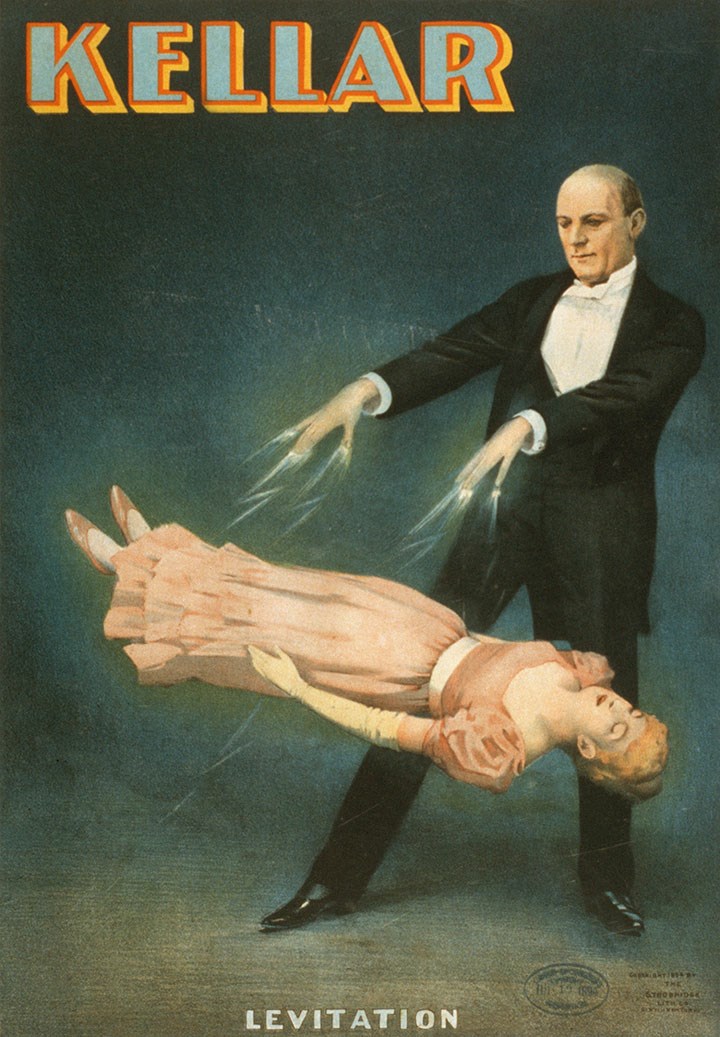
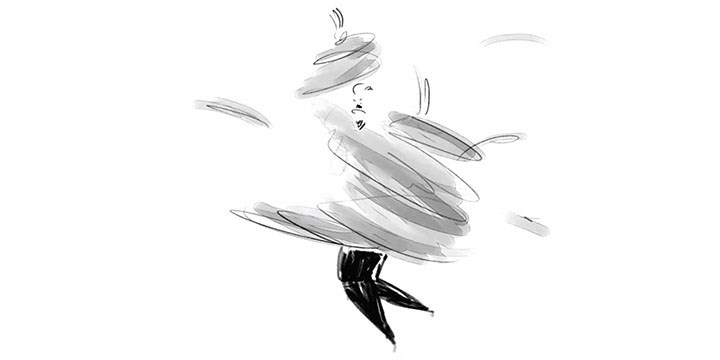
In The perfect magic, magic no longer attracts any attention. Neither the magician's tricks, which one can imagine are rigged, nor the final metamorphosis undergone by the artist, which is truly fantastic, provoke any reaction from passers-by. This wear and tear of the gaze tells us about our ability to question what we see, to interpret reality.
Of course, alongside our daily spectacular environment (images conveyed by cinema, feats promised by science), the effects of 19th century conjurers, such as those used in the film, no longer jostle us. But there is always a challenge in mobilizing scientific reasoning to question the effects of which we are the recipients, when the techniques are more and more transparent (digital photo retouching, computer-generated image simulation).
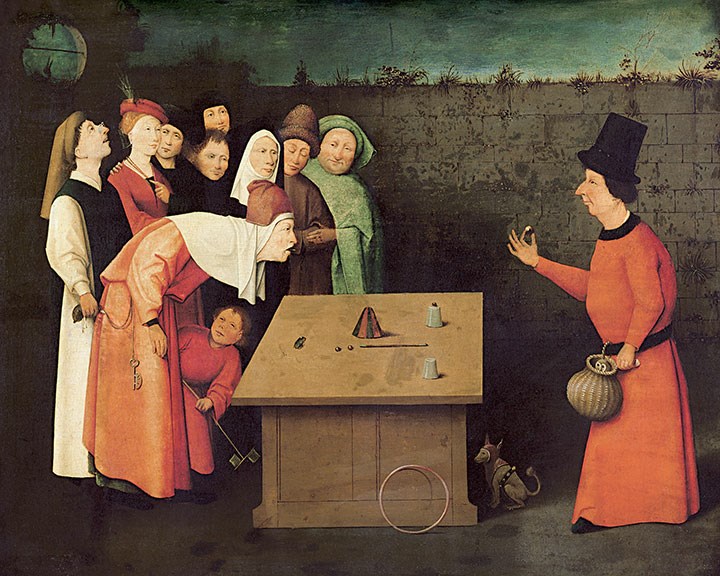
After all, the modern magic show, which can be traced back to Jean-Eugène Robert-Houdin (1805-1871), watch mechanic, creator of automatons, designer of an avant-garde theater full of equipment using the results of electromagnetism, is based on hidden technique.
This activity aims to study magic tricks to manipulate scientific reasoning and propose rational explanations. Without pretending to really dismantle existing magic tricks in detail (which would also require a study on the psychological mechanisms of manipulation of attention), it is rather a question of concentrating on the formulation of the physical and biological principles which seem to be violated, in short to make conscious the base of scientific principles which is involved in our understanding of the world.
You should start by attending a real magic show with the class (alternatively, you can work on video sources). This session could be prepared by explaining that the work will consist of describing the tricks, input sheets can be provided to the students to note the physical objects involved (props, animals, devices, decorative objects), the protagonists on stage (magician, assistant, spectator) and the effects (what happened?). It is indeed a question of producing an objective description, rather than a subjective one.
Back in class, the children pool their data and choose between 5 and 10 tricks (depending on their complexity) to study them, seeking, with the help of the teacher, to specify for each what constitutes the “magical effect”, that is to say the physical or biological principle violated. The meaning of the discussion must in fact be to gradually build up a repertoire of these principles.
For example:
Finally, the work can be extended by asking children to imagine the tricks used to get around these impossibilities in the tricks in question, in the form of simple sketches, based on the drawings from the film.
of magic.”
Activity sheet written by: Bruno Pellier