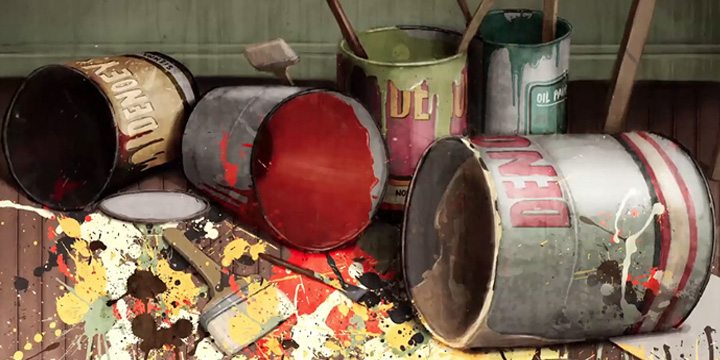
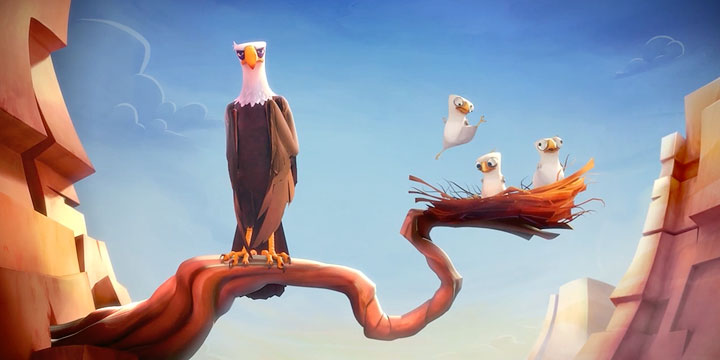
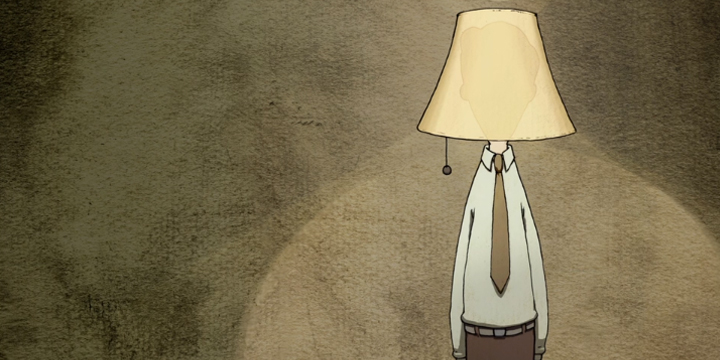
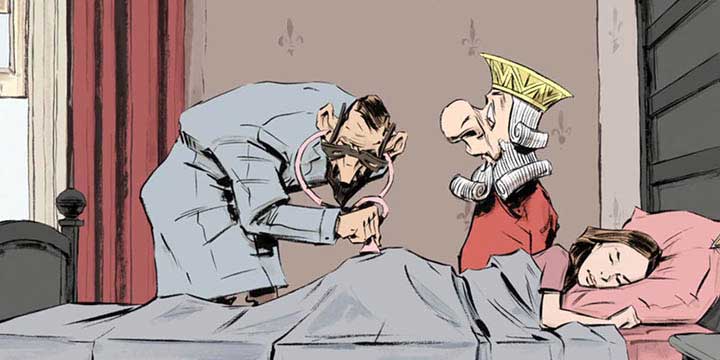
A highly entertaining tribute to the painter Jackson Pollock, to his artistic exploration and his discovery of the dripping technique, an artistic technique which consists of letting a liquid fall drop by drop and layering the colors.
In search of inspiration, Jack, the hero of the film, literally feeds on paintings; he steals masterpieces from prestigious museums and swallows them to become one with them. Hungry and unsatisfied by his work as an artist, he violently hurls his paint onto the canvas and invents a new pictorial genre: dripping.
Understand the story, the theme, express your sensitivity and exercise your critical thinking.
A very amusing eulogy to the painter Jackson Pollock, to his artistic research and the technique of dripping, an artistic technique which consists of letting a liquid fall drop by drop and superimposing the colors.
In search of inspiration, Jack, the hero of the film, literally feeds on paintings; he steals masterpieces from prestigious museums and swallows them to become one with them. Hungry and unsatisfied by his work as an artist, he violently projects his paint onto the canvas and invents a new pictorial genre: dripping.
Jackson Pollock is one of the main figures of abstract expressionism which brought together poets, painters and musicians in New York in the early 1950s.
With more than 700 works and the use of techniques such as dripping and all-over, Jackson Pollock had a decisive influence on the evolution of contemporary art.
1-Why does the main character eat paintings?
Because he is an artist lacking inspiration. he swallows masterpieces to become one with them.
2-How does the main character invent a new artistic technique?
Hungry and unsatisfied by his work as an artist, he violently projects paint onto the canvas.
3-Do you recognize any paintings that appear in the films?
For example, “Landscape with cypresses and flowering trees” (1889) by Vincent Van Gogh or his “self-portrait” (1889).
"Arearea" (Joyeusetés) (1892) directed by Paul Gaugin during his trip to Tahiti.
Where is the Duke of Urbino? (1465) by Piero della Francesca.
“The Desperate” (1845), self-portrait by Gustave Courbet.
“Geopolitical child observing the birth of the new man” (1943) surrealist work by Salvador Dalí?
“Summer” (1563) by Giuseppe Arcimboldo?
Part of the painting “The Three Ages of Woman” (1905) by Gustav Klimt?
Jackson Pollok?
Created with the support of the French Ministry of Education and the French National Center for Cinema and Animated Images (CNC).
Watching the film with the family, educational activities with parents at home and with teachers in class.